If you’ve been reading up on the Dr. Brewer treatment approach, you already know this diet flips so much conventional pregnancy advice on its head. It’s not about eating less, it’s about eating abundantly. It’s not about cutting salt, it’s about salting your food to taste. So when I first dug into what the Brewer pregnancy diet actually tells you to avoid, I braced myself for another long list of joyless restrictions. Instead, I found something surprisingly focused. The Brewer diet isn’t really about forbidden foods. It’s about protecting your blood volume and making every bite count, and the short list of things to skip flows directly from that goal.
These aren’t the standard “don’t eat raw sushi” reminders (though those still apply). Dr. Brewer’s avoidances are specifically about metabolic protection. Anything that strips your body of fluid, blocks nutrient absorption, or takes up precious stomach space without delivering the building blocks your liver needs is on the chopping block. Here are the five big ones, explained without the med-school jargon.
1. Diuretic Teas and Herbs (Dandelion, Nettle, Alfalfa, and Friends)
This is the hill Dr. Brewer was willing to die on. In a lot of standard pregnancy advice, women with swollen ankles are told to drink herbal teas that “flush out” excess fluid. Brewer thought this was not just wrong but genuinely dangerous. His whole framework, preventing the root cause of preeclampsia, hinges on expanding your blood volume, not shrinking it. Diuretic herbs trick your kidneys into dumping water, artificially contracting your blood supply and potentially triggering the exact metabolic crisis the diet is trying to prevent.
So if you’re following the Brewer method, you’ll want to steer clear of teas and supplements containing nettle, dandelion, alfalfa, bilberry, or celery seed. Even “natural” water pills are still water pills. I know it feels counterintuitive when your rings don’t fit anymore, but Brewer’s logic was that swelling is a sign your body needs more support, not less fluid. If you’re curious about which specific ingredients can aggravate things further, I’ve written more about the foods making preeclampsia worse that go beyond just herbal teas.
2. Isolated Protein Powders and Shakes
Wait, a diet that demands 80 to 120 grams of protein a day tells you to skip the protein powder? Yep. Brewer was adamant that protein needed to come from whole foods: eggs, meat, fish, full-fat dairy, beans, lentils. He didn’t trust processed isolates because your liver needs more than just amino acids to synthesize albumin. Whole-food proteins arrive bundled with the fats, carbohydrates, and micronutrients your body uses to actually build blood volume. Stripped-down powders, in his view, placed unnecessary stress on the kidneys without delivering the full nutritional package.
Plus, from a practical kitchen standpoint, chugging a shake takes thirty seconds and leaves you hungry an hour later. Sitting down to a couple of scrambled eggs with butter and a piece of toast, now that’s a first thing to eat in morning that actually sticks to your ribs and keeps your blood sugar steady. I’m not saying you can never use a protein shake in a pinch, but the Brewer diet wants you reaching for real food first. And if you’re wondering whether a simple boiled egg qualifies as a perfect protein source on this plan, the answer is a resounding yes, it’s basically nature’s prenatal supplement in a shell.
3. Low-Fat and Skim Dairy Products
This one surprises a lot of people who’ve been conditioned to see “low-fat” as healthier. The Brewer checklist specifically calls for whole milk and full-fat dairy, four servings a day. Stripping the fat out of milk also strips out the fat-soluble vitamins, especially A and D, that your placenta and your baby’s developing nervous system desperately need. Without that dense caloric punch, hitting the 2,600-calorie daily target becomes genuinely difficult without feeling like you’re force-feeding yourself.
Think of it this way: on the Brewer diet, full-fat yogurt, whole milk, and real cheese aren’t indulgences. They’re efficient delivery vehicles for the energy and nutrients your body is burning through at a staggering rate. When every bite needs to work hard for you, watered-down dairy just doesn’t pull its weight.
4. Low-Sodium or Salt-Restricted Packaged Foods
If you’ve read anything about the Brewers diet pregnancy philosophy, you already know salt is not the enemy here. Brewer encouraged salting food to taste to maintain the osmotic pressure that keeps fluid inside your blood vessels. So deliberately seeking out “low-sodium” packaged foods, the kind marketed as heart-healthy or diet-friendly, is counterproductive. You’re actively working against your body’s efforts to expand blood volume.
A quick note of nuance here, because I think it matters: Brewer wasn’t giving you a free pass to load up on processed junk that happens to be salty. He was talking about salting real, whole foods, your eggs, your roasted vegetables, your soup made from scratch. Factory snacks loaded with preservatives and refined oils are a different category entirely, and they land squarely in the next section.
5. Refined Sugars, White Flour, and Empty-Calorie Junk Foods
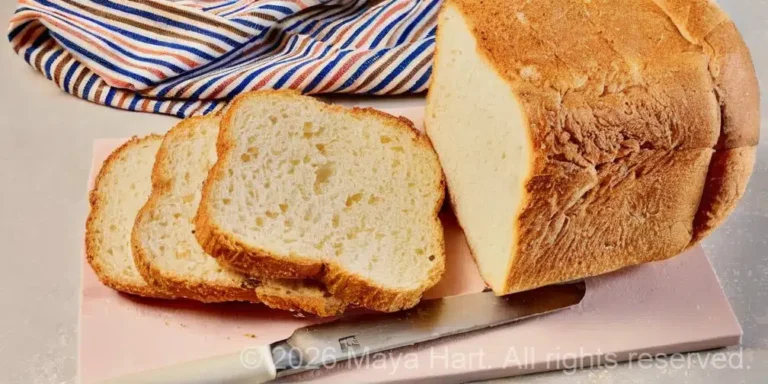
This is the one that probably feels most obvious, but the reasoning is worth spelling out. When you’re trying to hit the daily Brewer benchmarks, five servings of whole grains, two servings of leafy greens, heavy protein portions, a quart of milk, your stomach only has so much real estate. Sugary sodas, white bread, pastries, and processed snacks fill you up quickly without providing a shred of the albumin-building, blood-volume-supporting nutrition your liver needs. They spike your blood sugar, crash your energy levels on Brewer’s diet, and leave you too full to eat the foods that actually do the work.
It’s not about being “good” or “bad.” It’s about logistics. A day that includes a donut and a sugary latte is a day where you might struggle to fit in your two eggs, your leafy greens, and your whole milk. And on a diet where the stakes feel this high, where the goal is literally to reduce preeclampsia naturally through nutrition, that trade-off just isn’t worth it. Save the treats for when they’re genuinely worth it, not as a daily default that elbows out the nutrients your body and your baby are counting on to help baby grow in womb.
A Quick Word on Standard Pregnancy No-Nos
Even though the Brewer diet focuses on metabolic protection rather than foodborne illness, it doesn’t override the standard safety rules. You’ll still want to avoid raw or undercooked seafood and meat, unpasteurized milk and soft cheeses, and fish high in mercury. The good news is that the Brewer emphasis on home-cooked whole foods naturally sidesteps most of those risks anyway.
What This List Tells Us About the Brewer Philosophy
If you step back and look at all five categories together, a clear pattern emerges. The Brewer diet isn’t really about “don’t eat this.” It’s about not wasting precious appetite on things that can’t help your body do its job. Every diuretic tea skipped is fluid your bloodstream gets to keep. Every skipped protein shake is an opportunity to eat a plate of real food that arrives with all its cofactors intact. Every whole-milk latte instead of a skim one is a step toward the caloric and nutrient baseline your expanding circulatory system demands.
I did adopt the principle of making every bite count. When I stopped filling up on empty carbs and started prioritizing protein and full-fat dairy, my energy stabilized, my blood sugar behaved better, and I stopped feeling like I was starving an hour after every meal.
If you’re wading into the brewers diet and feeling overwhelmed by the volume of food, start with this: cut the five things on this list, and use the space you’ve freed up for an extra egg, a glass of whole milk, or a handful of nuts. Small shifts add up, and you don’t have to be perfect to feel the difference. Have you noticed certain foods tanking your energy or making your swelling worse? Come share over on the blog, I always love hearing what’s working in real kitchens, not just in theory.