If you’ve been handed a preeclampsia diagnosis, or you’re staring at a blood pressure reading that’s creeping up appointment after appointment, you’ve probably asked the question a thousand times: why is this happening? For decades, the standard answer has been some version of “we don’t really know.” Genetics, immune factors, bad luck. But Dr. Tom Brewer, the obstetrician behind the Brewer pregnancy diet, spent his entire career arguing that we do know, and that the answer is far simpler, and far more within our control, than we’ve been led to believe.
Brewer didn’t even use the word preeclampsia. He called it Metabolic Toxemia of Late Pregnancy (MTLP), and he was convinced the root cause was not a mystery or a genetic flaw, but a straight line from the kitchen to the bloodstream: systemic maternal malnutrition leading to critically low blood volume. Before you roll your eyes at the word “malnutrition” I did too, at first, picturing something out of a famine documentary, let me explain what he actually meant, and how that cascade works inside a pregnant body.
What Brewer Meant by “Malnutrition”
Brewer wasn’t talking about starvation in the obvious sense. He was talking about a very specific gap between what a pregnant body demands and what most women are told to eat. When you’re growing a human, your blood volume needs to expand by 40 to 60 percent, that’s nearly two extra liters of fluid, an entire circulatory system’s worth, built from scratch. Every bite you eat is literally supplying the raw materials to help baby grow in womb and keep that new blood supply functioning.
If those raw materials aren’t there, specifically, enough protein, enough calories, and enough salt, your liver can’t manufacture albumin, the plasma protein that acts like a molecular sponge, holding fluid inside your blood vessels. Without albumin, the whole system collapses. That collapse, Brewer argued, is what we call preeclampsia. And the root cause of preeclampsia, in his framework, isn’t the placenta or the immune system going rogue. It’s the liver running out of supplies.
The Chain Reaction: From Missing Breakfast to Hypertension
This is the part that made me put down my lukewarm coffee and pay attention. Brewer mapped out a step-by-step physiological domino effect that connects what you eat (or don’t eat) directly to a preeclampsia diagnosis. It goes like this.
1. The Liver Can’t Keep Up
To expand blood volume, your liver must churn out massive amounts of albumin. Albumin is made from the amino acids in your dietary protein. If you’re not eating enough protein, Brewer set the baseline at 80 to 120 grams a day, and not eating enough calories to spare that protein from being burned as fuel, your liver simply runs out of raw material. Albumin production stalls.
2. Fluid Leaks Out of Your Bloodstream
Albumin creates something called colloid osmotic pressure. Think of it as the force that keeps water locked inside your veins and arteries. When albumin levels drop, your blood vessel walls can no longer hold onto fluid. Water starts leaking out into the surrounding tissues. This is what causes the sudden, puffy swelling in your face, hands, and feet, the edema that often shows up right before a preeclampsia diagnosis.
3. Blood Volume Shrinks and Thickens
Because all that fluid has abandoned ship and moved into your tissues, the actual volume of blood circulating through your body drops. The blood that remains becomes thick, sluggish, and dehydrated. Brewer called this state hypovolemia, dangerously low blood volume, and he believed it was the hidden crisis behind every case of metabolic toxemia.
4. The Placenta Gets Starved
Thick, low-volume blood is hard to pump. Your heart struggles to push it through the tiny, delicate vessels of the placenta. Uterine and placental blood flow plummets. Your baby is suddenly operating on reduced oxygen and nutrients, which is why you might find yourself worrying does a fetus feel hungry when you miss meals. They don’t feel hunger pangs like we do, but they absolutely register and suffer from a drop in supply.
5. The Body Panics And Blood Pressure Spikes
Here’s the part that flips conventional thinking on its head. Sensing that the baby is in danger, your kidneys and brain release emergency stress hormones, including renin, which causes your arteries to clamp down and constrict. Your body intentionally spikes your blood pressure. That hypertension isn’t the disease, it’s a desperate, defensive survival mechanism, trying to force that thick, low-volume blood through narrowed vessels to keep your placenta functioning.
In Brewer’s words, high blood pressure and protein in the urine are not the cause of preeclampsia. They are the final, screaming symptoms of a body that is structurally starving. The real problem started weeks or months earlier, at the dinner table.
The Three Nutritional Deficiencies That Trigger the Cascade
Brewer’s framework pins the entire collapse on three specific gaps. He insisted that all three had to be addressed together, fixing one while ignoring the others wouldn’t stop the dominoes.
- Inadequate protein: Without enough whole-food protein, your liver has zero building blocks for albumin. No albumin, no blood volume expansion. Period. That’s why the brewer diet sets a floor of 80 grams a day and pushes toward 120 grams for high-risk pregnancies.
- Inadequate calories: If you’re eating protein but not enough total energy, your body burns that protein for fuel instead of using it to build blood. Brewer’s research suggested that at around 1,700 calories a day, nearly half your protein gets diverted to baseline energy needs, leaving almost nothing for your blood supply. The 2,300 to 2,600 calorie target isn’t arbitrary, it’s the threshold where protein can finally do its real job.
- Inadequate salt: Sodium is essential for the osmotic pressure that keeps fluid locked inside your vascular system. Restricting salt, which was standard advice in Brewer’s era, and still shows up in some prenatal guidance today, actively strips the body of its ability to hold onto the fluid it needs. Many women find their energy levels on Brewer’s diet improve dramatically when they stop fearing the salt shaker and start salting real, whole foods to taste.
If you’re following along at home, this is also the part where the brewers diet approach completely departs from conventional care. Standard management of preeclampsia symptoms often includes salt restriction, calorie limits, and sometimes diuretics, all things Brewer believed were directly worsening the underlying hypovolemia. I’ve written more about the specific foods making preeclampsia worse according to this framework, and the list might surprise you.
How Brewer’s Framework Changes What You Do About It
If the root cause is nutritional depletion, the logical treatment is nutritional repletion. That’s exactly what Brewer’s treatment approach was built to do: flood the body with whole-food protein, adequate calories, and unrestricted salt so the liver can rebuild its albumin stores, pull leaked fluid back into the bloodstream, expand blood volume naturally, and let blood pressure return to safe levels on its own.
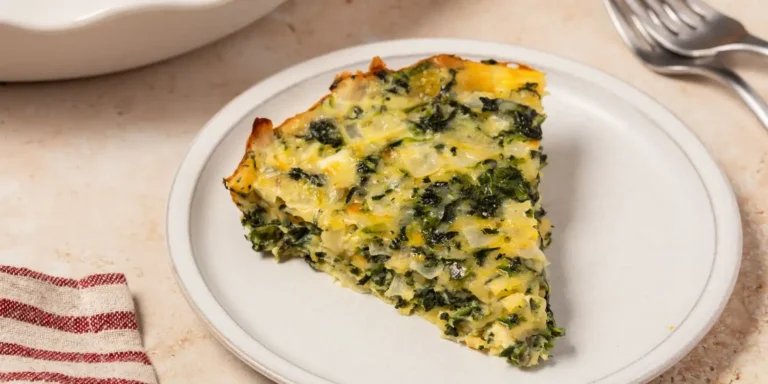
In crisis moments, when a mother was already showing rapid swelling, spiking blood pressure, and protein in her urine, Brewer deployed an intensive emergency protocol of hourly eggs and whole milk combined with side-lying rest. In non-crisis moments, the maintenance diet of 80 to 120 grams of protein daily, spread across three meals and three snacks, was designed to prevent the cascade from ever starting. Starting your day with a protein-rich meal makes a genuine difference here; many mamas find that a couple of eggs makes the perfect first thing to eat in morning to set the metabolic tone for the whole day.
And if you’re wondering whether simple whole foods can really carry that much weight, the answer is yes, something as basic as an egg is a nutritional powerhouse. Countless women ask me is boiled egg good for pregnancy, and my answer is always an emphatic yes. Hard-boiled eggs are batchable, portable, and packed with the exact amino acids, choline, and healthy fats your liver is begging for.
What to Avoid to Protect the Cascade
Since Brewer’s entire framework rests on not sabotaging your blood volume, certain foods and substances are specifically discouraged. You already know the standard 5 foods to avoid while pregnant for foodborne illness risk, unpasteurized dairy, high-mercury fish, undercooked meats, and those still apply. But the Brewer lens adds a few more: diuretic teas that trick your kidneys into dumping water, isolated protein powders that lack the cofactors of whole foods, low-fat dairy that’s missing the fat-soluble vitamins your placenta needs, and processed junk that fills you up without providing any of the albumin-building materials your bloodstream requires.
And of course, if you’re already in the thick of trying to reduce preeclampsia naturally, you’ll want to pair the nutritional approach with regular prenatal monitoring and honest conversations with your provider. Brewer’s diet is a complement to care, not a replacement for it.
Frequently Asked Questions About the Root Cause of Preeclampsia
Did Dr. Brewer believe preeclampsia was caused by malnutrition alone?
Yes, he argued that systemic maternal malnutrition, specifically inadequate protein, calories, and salt, was the singular root cause, leading to low blood volume (hypovolemia) and the cascade of symptoms we call preeclampsia.
Is the Brewer model accepted by mainstream medicine?
It remains controversial. Many modern researchers acknowledge that nutrition plays a role in preeclampsia risk, but the condition is now understood as multifactorial, involving placental development, immune factors, and genetics. The Brewer model has not been validated by large randomized controlled trials.
Can you really reverse preeclampsia symptoms with food?
Brewer’s clinical experience suggested that early signs, rapid swelling, rising blood pressure, could be stabilized or reversed with aggressive nutritional intervention. However, this should only be attempted with medical supervision, as preeclampsia can escalate quickly.
The Bottom Line from My Kitchen Table
The idea that my body wasn’t broken, just under-supplied, shifted something in how I approached food. I started seeing my plate as the literal construction site for my baby’s circulatory system, and that made every meal feel less like a chore and more like an act of care.
If you’re sitting there with a high blood pressure reading and a head full of fear, I hope Brewer’s framework gives you something you may not have gotten from the one-page diet sheet: a sense that there’s a reason this is happening, and that what you eat can make a real, physiological difference. Not a guarantee, nothing in pregnancy is, but a pathway. Whether you’re tracking every gram of protein or just trying to add one extra egg to your breakfast, you’re doing something meaningful every time you feed yourself well. Have you looked into the root cause theories behind your own diagnosis? Come find me over on the blog and tell me what’s been helpful, or what’s made you roll your eyes. Both are welcome. Because whatever yesterday looked like, today you’re already doing a good job.