If you’re searching for ways to reduce preeclampsia naturally, you’ve probably already felt that particular brand of fear that comes with a high blood pressure reading at a prenatal appointment. I know that feeling. When I was pregnant with my first, I was handed a one-page diet sheet and a lot of vague reassurances, right before a gestational diabetes diagnosis at 28 weeks threw everything sideways. Suddenly I was poring over every study, every midwife blog, every old forum thread asking the same question: can what I eat actually protect me and this baby?
The short answer is yes, there are real, evidence-backed dietary shifts that lower your risk. And a lot of them trace back to a controversial obstetrician from the 1950s named Dr. Tom Brewer, whose treatment approach was built on a single, radical idea: preeclampsia isn’t a random tragedy. It’s a nutritional crisis your body can often be supported through. Let’s walk through exactly how to support your body naturally, combining Brewer’s core philosophy with what modern research has confirmed and expanded.
The Root of It All: Blood Volume and the Placenta
Before we get to the food, you have to understand why nutrition matters. In a healthy pregnancy, your blood volume expands by 50–60%, you’re building an entire extra circulatory system to feed your placenta and your baby. Dr. Brewer believed that when a mother doesn’t eat enough protein, calories, and salt, her liver can’t produce enough albumin, the blood protein that keeps fluid inside her vessels. Blood volume shrinks, the placenta gets starved, and the body panics, constricting arteries and spiking blood pressure in a desperate attempt to keep vital organs perfused. That cascade, he argued, is exactly what we call preeclampsia.
Modern research agrees that placental oxidative stress and systemic inflammation are central to the root cause of preeclampsia, but it also confirms Brewer’s core insight: a mother’s nutritional status directly impacts how her blood vessels and placenta function. So let’s talk about what to put on your plate, Brewer-style, with some updates from the last few decades of science.
The Brewer Diet Foundation: Four Pillars That Still Hold Up
Dr. Brewer’s entire protocol rested on four deceptively simple rules. They feel countercultural even today, when so much pregnancy advice is about restriction.
- High-quality protein: 80 to 120 grams a day from whole foods like eggs, meat, fish, dairy, beans, and lentils. This provides the amino acids your liver needs to manufacture albumin and expand blood volume.
- Adequate calories: 2,300 to 2,600 daily, so your body burns those calories for energy instead of burning that precious protein.
- Salt to taste: No restriction. Sodium helps your body hold onto the fluid it needs for blood volume expansion.
- Unrestricted weight gain: The scale is not the focus; abundant nourishment is.
I’ll be honest: when I first read about salting my food liberally and letting weight gain fall where it may, I raised an eyebrow so high it practically left my face. But the physiology checks out. If you’re eating whole, nutrient-dense foods, your body uses that salt to maintain the osmotic pressure that keeps fluid in your blood vessels instead of leaking into your tissues. And hitting that protein target? It’s non-negotiable if you want your liver to have the raw materials it needs to do its job. Many women report that their energy levels on Brewer’s diet stabilize dramatically once they start eating enough, no more 3 p.m. collapse.
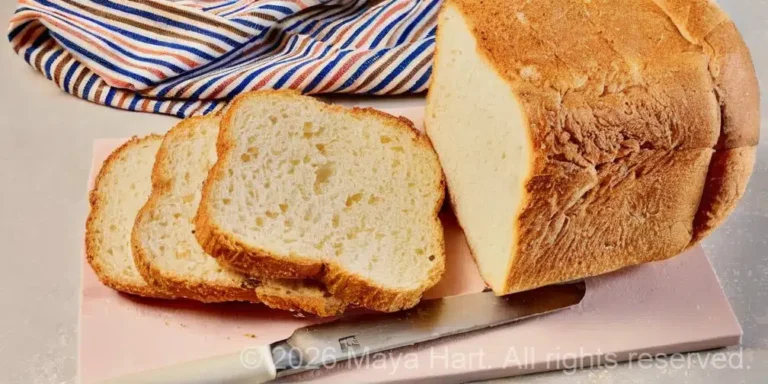
If you’re wondering what to eat first thing, a protein-rich breakfast is the foundation. Eggs are a goldmine here, and yes, boiled eggs are perfect for batching ahead of time. A couple of hard-boiled eggs with buttered whole-grain toast makes an ideal first thing to eat in morning on this plan.
What Modern Science Added: The Mediterranean and DASH Approach
Brewer laid the groundwork, but large clinical studies in the decades since have sharpened the picture. Research published in BJOG found that a Mediterranean-style diet rich in vegetables and fish lowered preeclampsia risk by 21%, while a processed “Western diet” increased it by 40%. The DASH diet (Dietary Approaches to Stop Hypertension) has shown similar protective effects. These eating patterns don’t contradict the Brewer diet, they add a layer of vascular protection he didn’t have the language for yet.
The key mechanisms are two-fold: natural nitrates from leafy greens like arugula, spinach, and beets convert to nitric oxide in your body, which relaxes and dilates blood vessels naturally. And the anti-inflammatory fats in olive oil, avocados, nuts, and wild-caught fatty fish like salmon and sardines provide EPA and DHA, which block the inflammatory cytokines that make blood vessels constrict and fail. In practical terms, this means drizzling good olive oil on your vegetables, eating a handful of walnuts, and making fish a regular part of your week, all of which fit comfortably inside the Brewer framework.
The Big Four Micronutrients That Protect Your Blood Vessels
Beyond macronutrients, modern research has zeroed in on specific vitamins and minerals that directly prevent the arterial spasms and placental stress underlying preeclampsia. I think of these as the vascular support team.
Calcium (1,500–2,000 mg Daily)
The World Health Organization officially recommends calcium for preeclampsia prevention. When maternal calcium levels drop, calcium floods into your cells and causes severe arterial constriction. High dietary calcium, from grass-fed dairy, bone-in sardines, or supplements, keeps vascular walls relaxed. The Brewer diet’s emphasis on a quart of whole milk a day was unintentionally hitting this target beautifully.
Magnesium
Magnesium acts as a natural calcium-channel blocker, keeping blood vessels smooth and compliant. It directly regulates vascular tone and prevents the rapid blood pressure spikes seen in metabolic distress. Pumpkin seeds, almonds, spinach, and full-fat yogurt are all rich sources that fit into the Brewer meal plan without extra effort.
Selenium
Selenium is the building block for selenoproteins like glutathione peroxidase, your body’s internal antioxidant cleanup crew. It neutralizes the oxidative stress generated by the placenta before it can damage your kidneys. Brazil nuts (just one or two a day), eggs, and sunflower seeds cover this base easily.
Vitamin D3
Vitamin D plays a direct role in regulating the renin-angiotensin-aldosterone system, the hormone cascade that controls blood pressure. Adequate vitamin D stops your kidneys from releasing excess renin, preventing systemic arterial tightening. Fatty fish, egg yolks, and sensible sun exposure are your friends here.
Fiber, Blood Sugar, and the Gut-Vascular Connection
Insulin resistance and blood glucose spikes directly damage the delicate endothelial lining of your blood vessels, making you far more vulnerable to preeclampsia. A daily intake of 25 to 30 grams of fiber from whole grains (oats, quinoa), legumes, and whole fruits stabilizes your blood sugar curve and eliminates the heavy insulin surges that harm your arteries. This is also where the Brewer diet’s distinction between whole grains and refined white flour becomes critical, one protects your vessels, the other undermines them.
There’s also emerging research on the gut-vascular axis. Large cohort studies show that consuming probiotic-rich foods like kefir, live-culture yogurt, and traditional fermented vegetables during late pregnancy reduces severe preeclampsia risk. Probiotics reinforce the gut lining, preventing bacterial endotoxins from leaking into your bloodstream and agitating your cardiovascular system. I love that this aligns with the Brewer diet’s full-fat dairy emphasis, a glass of kefir or a bowl of yogurt does double duty.
Foods That Make Preeclampsia Worse (And What to Eat Instead)
Just as important as what you add is what you minimize. Highly processed foods, refined sugars, white flour, and industrial seed oils drive inflammation and oxidative stress. The standard “Western diet” is essentially a preeclampsia risk factor in edible form. I’ve written a detailed breakdown of the foods making preeclampsia worse, but the short version is: if it comes in a crinkly package and has an ingredient list you can’t pronounce, it’s not helping your blood vessels. You’ll also want to steer clear of the standard 5 foods to avoid while pregnant for safety, unpasteurized cheeses, high-mercury fish, and the like, which the Brewer approach naturally sidesteps by focusing on home-cooked whole foods.
Instead, build your plate around the foods that actively protect you. Eggs, full-fat dairy, leafy greens, beets, fatty fish, olive oil, nuts, seeds, legumes, whole grains. Every meal is an opportunity to nourish your blood vessels and help baby grow in womb. And if you’ve ever worried about your baby’s nutrient supply between meals, you might have wondered does a fetus feel hungry? While they don’t get hunger pangs like we do, they rely completely on a steady stream of glucose and amino acids, which is exactly why frequent, balanced meals matter so much.
A Daily Preeclampsia-Prevention Plate (Practical Edition)
Here’s what a day of actively protecting your blood vessels looks like, Maya-style, without a spreadsheet or a culinary degree:
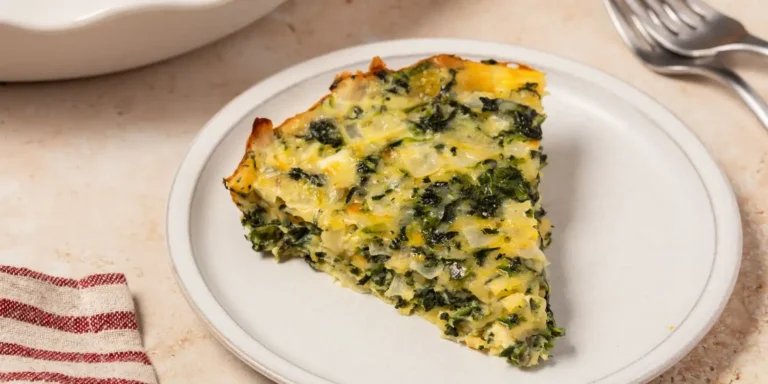
- Breakfast: Two scrambled eggs with sautéed spinach and a slice of whole-grain sourdough with butter. A glass of whole milk or kefir.
- Morning Snack: Full-fat Greek yogurt with a handful of walnuts and berries.
- Lunch: A large salad with arugula, roasted beets, avocado, canned wild salmon, and a generous drizzle of olive oil. A piece of fruit.
- Afternoon Snack: Apple slices with almond butter, or a couple of hard-boiled eggs with a pinch of salt.
- Dinner: One-pan roasted chicken thighs with potatoes, carrots, and plenty of olive oil and herbs. A side of sautéed kale.
- Evening Snack: A small bowl of oatmeal made with whole milk, or cottage cheese with pumpkin seeds.
Frequently Asked Questions About Reducing Preeclampsia Naturally
Can diet alone prevent preeclampsia?
No diet offers a 100% guarantee, but a consistent, nutrient-dense eating pattern significantly lowers your risk. Research shows dietary interventions can reduce incidence by 35–45%, which is substantial. It works alongside, not instead of, regular prenatal monitoring.
Do I really need to salt my food?
In the Brewer framework, yes, salting whole foods to taste helps maintain the fluid balance your expanding blood volume requires. If you have pre-existing hypertension or kidney concerns, this is a conversation for you and your provider.
What if I can’t stomach that much food?
Pregnancy nausea is real, and some days you’ll just survive. Start with frequent small bites, a hard-boiled egg here, a few spoonfuls of yogurt there. The goal is progress, not perfection.
The Bottom Line from My Kitchen Table
Dr. Brewer’s belief that preeclampsia could be addressed through nourishment, not fear, changed the way I think about pregnancy nutrition forever. Modern science has only sharpened that picture: protect your blood vessels with nitrates and healthy fats, stabilize your blood sugar with fiber and protein, and don’t let yourself run on empty.
I kept the core principles close. I ate protein at every meal. I salted my food. I stopped fearing full-fat dairy. And when I did, my energy stabilized, my blood sugar behaved, and I felt more grounded in my body than I had in months.
If you’re exploring how to reduce preeclampsia naturally, I hope this gave you something real to work with, and maybe a few hard-boiled eggs to batch for the week ahead. Have you tried any of these strategies? Drop a comment over on the blog and tell me what’s working in your actual, lived-in kitchen. Because whatever yesterday looked like, today you’re already doing a good job.