Why This Crustless Quiche Is a Bump-Friendly Hero
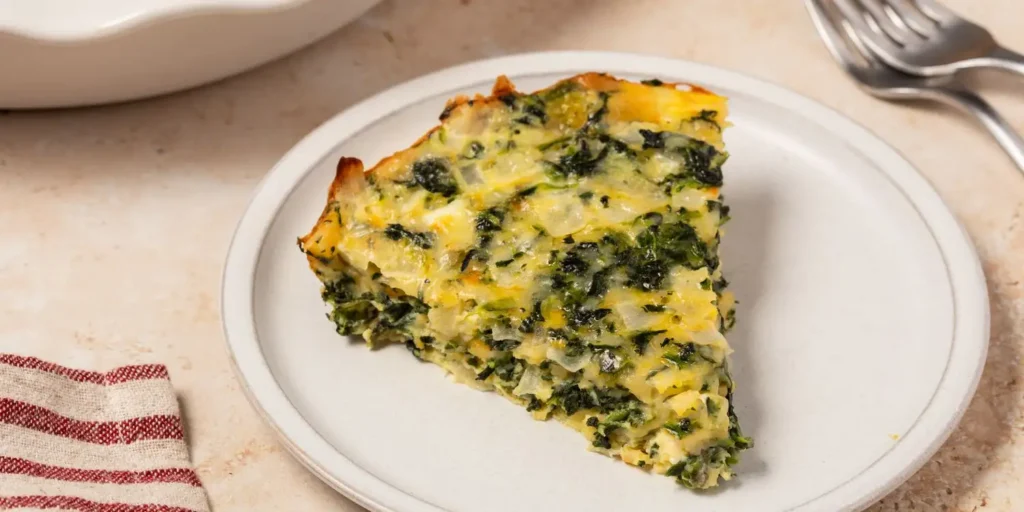
I did not set out to make a crustless spinach quiche. I set out to eat something hot without crying on my kitchen floor. I was deep in first trimester nausea, exhausted beyond words, and the thought of making pastry made me want to lie down. But my body needed protein, iron, and something gentle on my stomach. So I pulled a bag of frozen spinach from the freezer, sautéed an onion, beat five eggs, and shredded the block of Muenster cheese my husband had bought by accident. I poured everything into a greased pie pan and hoped for the best. Thirty minutes later, I pulled out a puffed, golden quiche that smelled like a bakery and tasted like comfort. I have been making it ever since.
A crustless quiche is not just a shortcut. It is a genuinely smarter choice for many mamas. Without the pastry crust you skip a significant amount of refined carbohydrates, which helps keep blood sugar levels steadier. The eggs, cheese, and spinach deliver protein, healthy fats, iron, folate, and choline, all critical nutrients during pregnancy and postpartum. The texture is soft and custardy, so it is much easier to stomach when nausea makes everything unappealing. And because it bakes in a single dish, cleanup is minimal. When you are already running on empty, that matters.
From First Trimester Survival to Gestational Diabetes Staple
With my first baby, this quiche was my nausea-friendly breakfast. I could make it in the evening during a rare window of feeling human, refrigerate it, and eat slices cold the next day when even the smell of cooking made me queasy. The mild flavour of Muenster cheese and the familiar taste of eggs and spinach never triggered an aversion.
With my second pregnancy, I was diagnosed with gestational diabetes at 28 weeks. Suddenly I needed breakfasts that would not spike my blood sugar. A typical bowl of cereal or buttered toast was off the table. This crustless spinach quiche, paired with a handful of berries, became my go-to morning meal. The protein and fat from the eggs and cheese, plus the fibre from spinach and onion, helped keep my glucose numbers in range. It was filling without being heavy, and it felt like real food, not a sad diet plate.
After both babies arrived, the quiche stayed. In those blurry newborn weeks, I lived on slices reheated in the microwave for forty-five seconds, eaten one-handed while nursing. It was my 4 a.m. snack, my missed-lunch rescue, and the only thing I could reliably stomach when I was too tired to chew anything complicated. Today, with a toddler and a baby, I still bake this quiche weekly. I cut it into wedges, pack some in the fridge, and freeze the rest.
Nutritionist-Approved: Why This Quiche Works So Hard
Each recipe on HomeBumpMeals is reviewed by a registered dietitian who specializes in prenatal and postpartum nutrition. For this crustless spinach quiche, she highlighted several wins. Eggs and dairy supply choline, a nutrient essential for fetal brain development. Spinach brings folate and iron. Onion adds a small amount of vitamin C, which helps your body absorb the iron from the eggs and spinach more efficiently. Altogether, one serving delivers around 20 grams of protein and a meaningful dose of calcium. It is a prenatal vitamin in food form, and it tastes like a cosy café brunch.
How to Customize Your Crustless Spinach Quiche
This recipe is a template, not a tyrant. Over the years I have swapped ingredients based on what was in my fridge, and it has never failed me. Here are some variations I have tested and loved:
- Cheese swaps: Sharp cheddar gives a stronger flavour. Swiss or Gruyère add a nutty richness. Feta makes it tangy and pairs beautifully with spinach. A mix of mozzarella and Parmesan creates a stretchy, golden top. Use whatever you have.
- Vegetable add-ins: Sautéed mushrooms, diced bell peppers, chopped broccoli, or halved cherry tomatoes all work. Just cook any watery vegetables first to remove excess moisture.
- Protein boosts: Fold in diced cooked ham, crumbled bacon, or cooked breakfast sausage. For a vegetarian version, a handful of drained canned chickpeas adds substance.
- Fresh spinach option: You can absolutely use fresh spinach. Sauté about 5 ounces in a bit of oil until wilted, then squeeze out the liquid and chop roughly. The flavour is slightly brighter, and the texture is just as good.
- Dairy-free adaptation: Swap the cheese for a plant-based shredded variety that melts well, and use an unsweetened dairy-free milk to thin the egg mixture slightly. The quiche will still set beautifully.
- Mini quiches: Pour the mixture into greased muffin tins and bake for about 20 to 25 minutes. These are perfect for baby-led weaning, toddler snacks, or grab-and-go breakfasts.
Tips for a Perfect Crustless Quiche Every Time
After making this dish more times than I can count, I have a handful of non-negotiable tips that prevent soggy quiches and ensure a beautiful, sliceable result.
- Squeeze the spinach bone-dry. Thawed frozen spinach holds a surprising amount of water. I wrap it in a clean dish towel and wring it out over the sink until no more liquid drips. This step is the number one secret to a quiche that sets properly.
- Cook the onion until the moisture evaporates. Sauté the chopped onion until it is soft and any released liquid has cooked off. Raw onion weeps water as it bakes, which can make the center of the quiche soggy.
- Let it rest before slicing. When the quiche comes out of the oven, the centre will still be slightly jiggly. Let it sit for ten minutes. The carryover heat finishes setting the eggs, and the slices will hold their shape beautifully.
- Bake on the middle rack. This ensures even heat distribution. If the top is browning too fast but the centre is still wet, tent the pan loosely with foil for the last few minutes.
- Do not overbeat the eggs. Whisk just until the yolks and whites are combined. Overbeating incorporates too much air and can cause the quiche to puff dramatically and then collapse.
Make-Ahead, Fridge, and Freezer Instructions
This crustless spinach quiche is designed for real life, which means it stores beautifully. Keep it in the refrigerator for up to four days in an airtight container. Reheat individual slices in the microwave for about 45 seconds, or warm them in a 300°F oven until heated through.
To freeze, cool the baked quiche completely. Cut it into wedges, wrap each wedge tightly in plastic wrap, then a layer of foil, and place them in a labelled zip-top bag. Frozen quiche will keep for up to three months. Thaw overnight in the fridge and reheat as above. I often make a double batch, freeze half, and feel like a future version of myself has given me a gift.
Your Crustless Spinach Quiche Questions, Answered
Can I make this quiche the night before and bake it in the morning?
You can prep the filling in advance, but for the best texture, I recommend assembling and baking just before serving. If the egg mixture sits overnight, it can separate slightly, resulting in a denser quiche. However, you can sauté the onion and spinach a day ahead, shred the cheese, and store everything separately. In the morning, simply whisk the eggs, stir everything together, and bake. It adds maybe five extra minutes.
Is this recipe keto or low-carb friendly?
Yes, it is very low in carbohydrates. Without a crust and with only the small amount of carbs from spinach and onion, each serving contains around 5 grams of total carbohydrate. It can fit easily into a low-carb or gestational diabetes eating plan. Always check with your healthcare provider for your specific needs.
My quiche came out watery. What went wrong?
Almost certainly, there was too much moisture in the spinach or onions. Be ruthless about squeezing the spinach dry and cooking the onion until no liquid remains. Also, make sure your oven temperature is accurate; an oven running cool can prevent the eggs from setting properly.
Can I use egg whites or an egg substitute?
You can, but the texture will be a bit less rich. If using liquid egg substitute, follow the package instructions for the equivalent of five whole eggs. The quiche will still set and taste good, just a little lighter.
Maya’s Mom Confession
I did not expect a quiche to make me cry, but that first one did. I stood at the counter with my bump pressed against the edge, took a bite, and felt this huge wave of relief. I had fed myself. I had fed my baby. I had done something good without a fight. In a season that felt so fragile, this quiche was a small, sturdy victory. Every time I bake it now, I remember that exhausted, hopeful version of myself. I hope it brings you the same quiet confidence that you are doing so much better than you think.
Ready to make your own? Scroll down for the full HomeBumpMeals Crustless Spinach Quiche recipe card, complete with exact measurements, step-by-step directions, and every tip I have gathered across two pregnancies and countless postpartum mornings. You have got this, mama.