Summary: Long before I understood the science of gelatin and minerals, I knew that a mug of homemade chicken bone broth felt like medicine. During pregnancy, it settled my stomach and eased my aching joints. After birth, it was the warm, savory sip I reached for during middle-of-the-night feeds when I needed nourishment that asked nothing of my exhausted body. Making it in a slow cooker means you can set it, forget it, and wake up to liquid gold. This is my unfussy method, why it matters so much for the childbearing year, and how it became one of my most-gifted postpartum meal train staples.
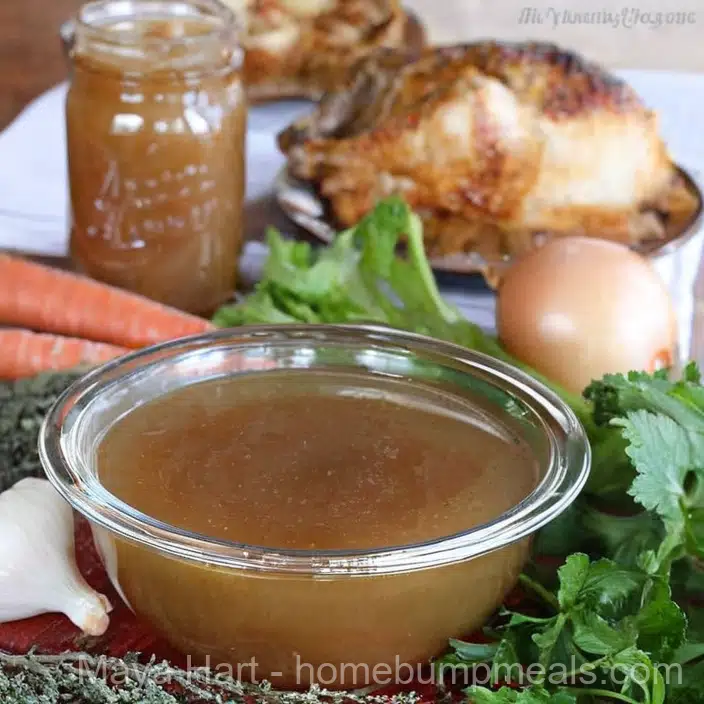
The first time I made bone broth, I was not trying to be a wellness influencer. I was 22 weeks pregnant, my lower back ached constantly, and my grandma’s voice was in my head. She used to simmer chicken carcasses on the back of the stove for hours, and the whole house would smell like comfort. She called it “Jewish penicillin” and served it anytime someone was sick or tired or sad. I was all three. So I took the bones from a roast chicken, threw them into my slow cooker with some vegetables and a splash of vinegar, and let it bubble away overnight. The next morning, I strained a pot of deep golden broth that turned to jelly in the fridge. I heated a mugful, sipped it slowly, and felt something shift. My body felt warmer, calmer, more held together. I have never stopped making it since.
Through the rest of that pregnancy, through postpartum recovery, through the endless winter colds my toddler brought home, this bone broth has been a constant. I make it when I need to feel grounded. I freeze it in jars and bring it to friends with new babies. It is the foundation of my Bone Broth Chicken Noodle Soup, and it is a supporting pillar of my full guide to 25 Nourishing Postpartum Meal Train Ideas. If you have a slow cooker and some leftover chicken bones, you can make something that will nourish you more deeply than anything from a store-bought carton.
What Makes Bone Broth So Special During Pregnancy and Postpartum
I am not a scientist, but the registered dietitian who consults on HomeBumpMeals has explained the magic of bone broth to me more than once, and I have become a true believer. When you simmer bones with a splash of vinegar for many hours, you pull out minerals like calcium, magnesium, and phosphorus. You release collagen and gelatin, which break down into amino acids that support your joints, your skin, and your gut lining. All of these things are exactly what a pregnant or postpartum body craves. Your baby is drawing calcium from your bones to build their skeleton. Your joints are loosening under the influence of hormones. Your digestive system is slowing down. A mug of bone broth is like a direct deposit of the raw materials your body is using up.
The gelatin, in particular, is a quiet hero. It is what makes homemade broth turn into jelly in the fridge. That jelly dissolves back into liquid when heated, and in your body, it can help soothe and repair the gut lining. Many women struggle with heartburn or sluggish digestion during pregnancy, and bone broth is wonderfully gentle. It is also a source of glycine, an amino acid that supports sleep and calm, which is no small thing when you are growing a human or waking every two hours to nurse. I can tell you that a warm mug of broth at 3 a.m. while feeding a baby felt far more restorative than any cold snack I could grab from the fridge.
The Slow Cooker Method: Set It, Forget It, Reap the Rewards
You do not need to hover over a pot for 24 hours to make bone broth. The slow cooker does all the work. My method is absurdly simple: I save the carcasses from roasted chickens. After we eat the meat, I toss the bones, skin, and any leftover drippings into a big slow cooker. I add an onion, unpeeled and quartered, a whole head of garlic cut in half crosswise, some celery and carrots in rough chunks, a few sprigs of fresh herbs, a bay leaf, some peppercorns, and a tablespoon of apple cider vinegar for every pound of bones. The vinegar helps draw minerals out of the bones, but you will not taste it in the finished broth. Then I fill the pot with water until everything is submerged, and I turn it on low for 12 hours, or up to 24 if I have the time. That is it. I go to bed, and when I wake up, the house smells incredible and the broth is ready to strain.
I have made this broth overnight countless times. There is something profoundly reassuring about plugging in the slow cooker before you go to sleep, knowing that while you rest, something deeply nourishing is quietly bubbling away. In the morning, I strain the broth through a mesh sieve into a big bowl, let it cool, and then refrigerate it. The fat rises to the top and hardens, making it easy to scrape off. What remains is a golden, jiggly, intensely flavorful broth that I portion into jars and freeze. I keep a few cups in the fridge for sipping or cooking during the week. It is the base for soups, risottos, braises, and grain dishes. It can also stand alone in a mug with a pinch of salt.
Grandma Knew: The Old Wisdom That Science Now Confirms
My grandmother never talked about collagen or amino acids. She just knew that a pot of chicken broth could cure what ailed you. She was right. Studies have shown that chicken soup made with bone broth has anti-inflammatory properties that can help fight off colds and flu. The gelatin and minerals support joint health, which is a godsend during pregnancy when your hips and back are under new stress. And the simple act of sipping something warm and savory can be deeply comforting on a day when everything feels too hard. I have now been the mom pacing the hallway at 2 a.m. with a mug of broth in one hand and a crying baby over my shoulder, and I can tell you it helped. It gave me something nourishing when I could not manage a full meal.
My dietitian also notes that homemade bone broth is an excellent source of electrolytes and hydration, especially important during breastfeeding when your fluid needs are high. The broth provides sodium, potassium, and other minerals in a form that is easy for your body to absorb. It is also gentle on a sensitive stomach, which made it one of the few things I could tolerate during the first trimester of my second pregnancy. I would heat a small cup and sip it slowly, and it would settle my nausea enough to let me eat something more substantial an hour later.
Practical Tips for Fitting Bone Broth Into Real Life
I know that a 24-hour cooking project sounds daunting when you are already exhausted. But the beauty of the slow cooker method is that most of that time is completely passive. Here are the rhythms that have worked for me through two pregnancies and the chaos of early motherhood.
- Save your bones as you go. Every time you roast a chicken, strip the meat and toss the carcass into a freezer bag. I keep a running bag in the freezer until I have two or three carcasses, enough for a batch. You can do the same with turkey bones after Thanksgiving. If you do not roast whole chickens often, ask a friend or pick up a rotisserie chicken; the bones work beautifully.
- Keep a scraps bag in the freezer. I save onion peels, carrot tops, celery ends, garlic skins, and herb stems in a separate freezer bag. They are not pretty enough for a salad, but they are perfect for broth. When the bag is full, I dump it all into the slow cooker with the bones. It is a zero-waste practice that also happens to produce an incredibly flavorful broth.
- Start the broth before bed. After dinner, while you are cleaning the kitchen, toss everything into the slow cooker, add water and vinegar, and turn it on low. Go to sleep. When you wake up, the broth is ready to strain. This rhythm has worked for me in every season of motherhood.
- Strain and store right away. I strain the broth while it is still warm into a big bowl or pot. Let it cool on the counter for an hour, then move it to the fridge overnight. In the morning, the fat will have solidified into a cap that you can lift off easily. Portion the jellied broth into jars or containers and freeze.
- Freeze in small portions. I freeze some in 1-cup and 2-cup containers for cooking, and some in ice cube trays for when I need just a small amount to deglaze a pan or enrich a sauce. I also label everything with the date. Frozen broth keeps for months.
- Use it everywhere. This broth replaces store-bought stock in every recipe. Use it in soups, stews, risottos, braised meats, and grain dishes. Or simply heat a mugful with a pinch of salt and a squeeze of lemon for a nourishing drink that costs nothing and sustains you deeply.
What to Do When the Broth Does Not Gel
Sometimes, despite your best efforts, your broth will not turn to jelly when chilled. That does not mean it is not nutritious or delicious. The gel comes from the collagen in the bones and connective tissues. If you used too much water relative to the amount of bones, or if your chicken was very lean, you might get a broth that stays liquid. I have had a few non-gelling batches over the years, and they still made wonderful soup. Adding chicken feet or a few wings to the pot next time can boost the gelatin content significantly. But do not stress over the gel. The broth is still packed with minerals and flavor, and your body will thank you for it regardless.
Gifting Bone Broth to a New Mom
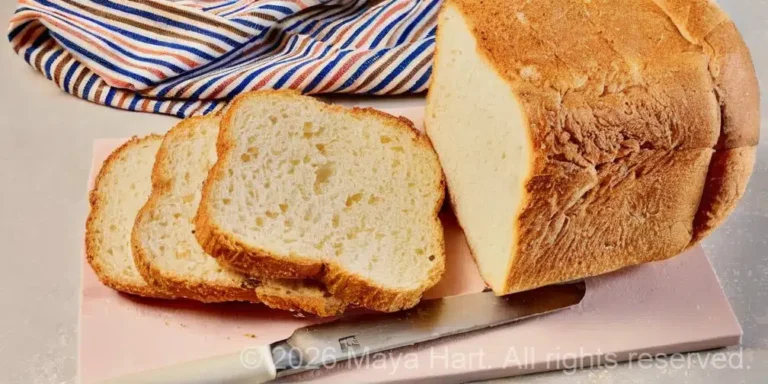
If there is one gift I wish I had received more of during my postpartum weeks, it is frozen jars of bone broth. It is the ultimate meal train offering because it is so versatile and so easy for a tired mom to use. I like to deliver a few jars of frozen broth along with a bag of my Easy Homemade Hummus, some cut vegetables, and a loaf of bread. The mom can sip the broth on its own, or use it as the base for a quick soup with whatever odds and ends she has in the fridge. I have a whole list of ideas like this in my postpartum meal train guide. If you are meal prepping for your own postpartum freezer, make a double batch of this broth before your due date. You will be so glad you did.
My Broth Ritual, Then and Now
I remember the first time I drank a mug of this broth after my first baby was born. It was December, freezing outside, and I was sitting in the nursery chair with the baby asleep on my chest. The house was quiet. The broth was warm and golden in my favorite mug, and I held it with both hands, breathing in the steam. I felt like my grandmother was there with me, in the smell of the broth and the warmth of the kitchen. It was the most nourishing thing I had done for myself in weeks, and it was also the simplest. Boil bones. Wait. Strain. Sip.
Now I make a batch of bone broth every few weeks. My toddler knows the smell and says “soup is cooking.” My baby has graduated to solid food and my body is my own again, but I still crave that deep, savory warmth. It reminds me that taking care of myself does not have to be complicated. Sometimes it just looks like a pot of bones simmering overnight, turning scraps into gold.
If you are ready to try it, the full recipe card with exact measurements and simple instructions is right below. Plug in your slow cooker tonight, and let your kitchen do the work while you rest.