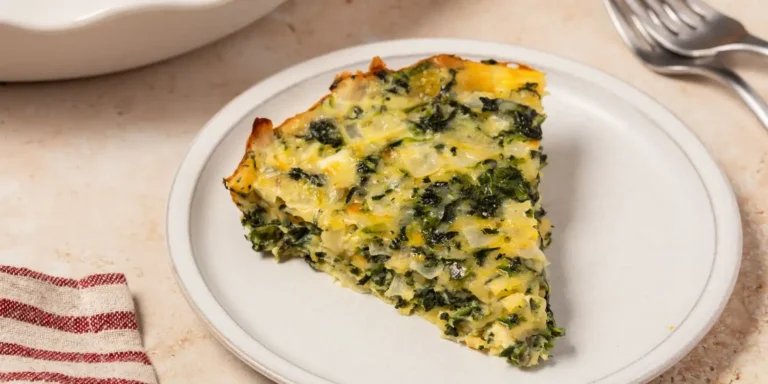
Summary: When you need a breakfast that feels like a lazy weekend brunch but comes together with zero stovetop hovering, these Mediterranean baked eggs are it. Eggs nestle into a colorful mix of cherry tomatoes, bell pepper, spinach, garlic, and creamy, salty feta, then bake until the whites are set and the yolks are as runny or firm as you like. It is all done in one dish, works beautifully for gestational diabetes, and proves that safe, pasteurized feta belongs all over your pregnancy breakfasts.
The morning I first made these baked eggs, I was 22 weeks pregnant with my second, and I had exactly zero desire to stand at the stove flipping anything. My toddler was already awake and asking for pancakes, my back ached, and the thought of washing a skillet after breakfast made me want to crawl back into bed. I needed something hot, satisfying, and packed with protein to keep my blood sugar steady all morning. I needed it to be easy. I needed it to be one pan.
I grabbed an 8-inch baking dish, poured in a glug of olive oil, cracked in six eggs, and tossed in whatever vegetables were about to go sad in the crisper drawer: cherry tomatoes, a yellow bell pepper, a handful of spinach, some garlic. Then I crumbled a generous amount of pasteurized feta on top, because feta was my number one pregnancy craving and I had long since learned that pasteurized feta is perfectly safe. I slid the dish into the oven and sat down with my toddler to read a book. Fifteen minutes later, I pulled out a dish of perfectly baked eggs, the whites set and the yolks still slightly jiggly, surrounded by sweet, softened vegetables and pockets of warm, salty cheese. I ate it straight from the dish with a piece of toast, and I felt like a human again.
Now these Mediterranean baked eggs with feta and tomatoes are a weekly staple in our house. They work for busy weekday mornings when I need something substantial before the chaos starts. They work for lazy weekends when I want brunch vibes without leaving my kitchen. They work for postpartum mornings when I need to eat with one hand while nursing. And they work beautifully for gestational diabetes, thanks to all that protein and fiber and the absence of any refined carbs. I have made them so many times now that I can practically do it in my sleep, and I am so excited to share the exact method with you.
Why Baked Eggs Are a Pregnancy Breakfast Hero
There is a reason this dish became a permanent part of my morning rotation. It checks every box I needed during pregnancy and postpartum, and it continues to deliver now that I am feeding two hungry kids. Here is why I love it so much, and why I think you will too.
- One dish, no hovering: Unlike scrambled or fried eggs, baked eggs require zero stovetop attention. You assemble everything in a single baking dish, slide it into the oven, and walk away. For a pregnant mama with sore feet, or a new mom holding a baby, that hands-off time is priceless.
- Protein packed and blood sugar friendly: Six eggs provide a solid foundation of protein and healthy fat that keeps blood sugar stable for hours. When I was managing gestational diabetes, a high protein breakfast was the single most important thing I could do for my morning numbers. This dish delivers without any added sugar.
- Loaded with vegetables: Cherry tomatoes, bell pepper, and spinach bring vitamins, antioxidants, and fiber. They add bulk and color without many carbohydrates, making this a great choice for GD-friendly breakfasts.
- Pasteurized feta is safe and delicious: I know the fear around soft cheese during pregnancy, but pasteurized feta is completely safe. I always check the label to confirm, and then I crumble it on everything. If you need a full refresher on which cheeses are safe during pregnancy, I have a whole guide right here: The Ultimate Guide to Eating Cheese During Pregnancy.
- Endlessly customizable: No bell pepper? Use zucchini. No spinach? Toss in kale or arugula. Want it spicier? Add red pepper flakes. This is a template, not a strict recipe, and I have included tons of variation ideas below.
- Gluten free, naturally: If you skip the toast or use a gluten-free bread, this entire meal is gluten free without any special swaps.
Ingredients That Make This Dish Shine
This recipe is built on simple, colorful ingredients that you probably already have in your fridge. Here is a quick rundown of each one and why it works, plus a few things I have learned about substitutions through lots of trial and error.
Extra Virgin Olive Oil
A generous coating on the bottom and sides of the dish prevents sticking and adds that rich Mediterranean flavor. I use our go-to everyday olive oil, but any good quality extra virgin olive oil works. Do not skimp on this step, or the eggs will glue themselves to the dish.
Eggs
Use large eggs for the best results. I like to crack them directly into the dish, spacing them out so each egg has its own little zone. Room temperature eggs bake more evenly, so I pull them from the fridge about ten minutes before I start, if I remember. If I forget, they still turn out beautifully.
Cherry Tomatoes
Sweet, juicy, and colorful. Halving them helps release their juices into the dish as they bake, creating a light, flavorful sauce. Grape tomatoes work just as well. If all you have is a large tomato, dice it into small pieces and use it in a pinch.
Yellow Bell Pepper
I love the bright color and mild sweetness of yellow peppers here, but red, orange, or even green bell peppers are great substitutes. Dice them into small, uniform pieces so they soften in the same time the eggs take to bake.
Baby Spinach
Fresh and mild, baby spinach wilts down into almost nothing and adds a boost of iron and folate. Roughly chop it so it distributes evenly. Kale or arugula can work too, but they have a stronger flavor and slightly chewier texture.
Garlic
Just one clove, finely chopped, adds savory depth that ties all the Mediterranean flavors together. Fresh garlic is best, but a small pinch of garlic powder works if you are in a rush.
Feta Cheese
Salty, creamy, crumbly feta is the star of this dish. I buy a block of pasteurized feta in brine and crumble it myself; it is creamier and melts better than the pre-crumbled kind. If you have any lingering worries about feta safety during pregnancy, refer back to my detailed cheese guide where I explain exactly why pasteurized feta is safe. For a different flavor, goat cheese or even a sprinkle of Parmesan can work, though feta is what gives the dish its signature Mediterranean character.
Salt and Black Pepper
Eggs need seasoning, and feta is salty enough that you do not need much. I add a few grinds of black pepper and a small pinch of salt, then taste after baking and adjust if needed.
How to Make Mediterranean Baked Eggs with Feta and Tomatoes
The method is so straightforward that it almost feels like cheating. Here is exactly how I make this dish, with all the tiny tips I have picked up after making it dozens of times.
Step 1: Prep the Dish and Preheat
Preheat your oven to 375°F. Pour the olive oil into an 8-inch round casserole dish and use a pastry brush or the back of a spoon to coat the bottom and sides evenly. A well-oiled dish means easy serving and minimal scrubbing later. If you do not have an 8-inch round dish, any small baking dish of a similar size works, but try not to go too large or the eggs will spread thin and overcook.
Step 2: Add the Eggs and Vegetables
Crack the eggs directly into the prepared dish, spacing them evenly. I like to leave a little room between each egg so they bake individually rather than merging into one giant egg pancake. Scatter the halved cherry tomatoes, diced bell pepper, chopped spinach, and minced garlic all around the eggs. Do not pile the vegetables directly on top of the yolks; let them rest around and between the eggs. Season the whole dish with salt and pepper, then sprinkle the crumbled feta over everything.
Step 3: Bake Until Set
Slide the dish into the oven and bake until the egg whites are completely set and the yolks reach your preferred doneness. For runny yolks, start checking around 15 minutes. For fully set yolks, let them go closer to 18 or even 20 minutes. Keep in mind that the eggs will continue cooking for a minute or two after you pull them from the oven, so I always take them out when the whites are just set and the yolks still have a little jiggle.
Step 4: Serve Immediately
These eggs are best right out of the oven, while the yolks are warm and creamy and the feta is still soft. I serve the dish family-style right in the baking dish with a big spoon and a pile of crusty toast on the side. Scoop the eggs, vegetables, and any juices onto the toast, and enjoy.
Expert Tip: Watch the Yolks Carefully
The line between perfectly baked eggs and overcooked, rubbery eggs is a matter of two or three minutes. Ovens vary, and the depth of your dish matters. I cannot stress this enough: start checking at the 15-minute mark. Open the oven door and give the dish a gentle shake. If the whites are set but the yolks wobble slightly, they are ready for runny yolks. If you prefer them firmer, give them another two minutes. Remember that the eggs will continue to set after they leave the oven, so err on the side of slightly underdone if you love a runny yolk. Overcooked yolks turn chalky and the texture of the eggs can become rubbery. This is the one part of the recipe that requires a little attention, and it is totally worth it.
More Tips and Tricks for Perfect Baked Eggs Every Time
- Use room temperature eggs. They cook more evenly and are less likely to have overdone edges while the center stays raw.
- Chop vegetables uniformly. Cut everything into similar small pieces so they soften at the same rate. Large chunks of bell pepper will still be crunchy when the eggs are done.
- Do not overcrowd the dish. Give the eggs a little breathing room. If the ingredients are packed too tightly, the eggs will steam rather than bake.
- Season generously. Eggs benefit from a bit more salt than you might think, especially because the vegetables add moisture. Taste after baking and add a final pinch if needed.
- Serve right away. Baked eggs do not wait well. The yolks will continue to cook, and the texture declines as it sits. This is a dish to eat as soon as it comes out of the oven.
- Always have bread ready. Toast, sourdough, a warm baguette, pita bread, or even a flour tortilla work perfectly for scooping up the runny yolks and vegetables. I always have something carby and dippable on the side.
Recipe Variations: Make It Your Own
This recipe is a springboard, and I have tried so many versions of it over the years. Here are my favorite ways to change things up based on what is in the fridge and what I am craving.
- Greek-style baked eggs: Add a handful of Kalamata olives, thinly sliced red onion, and a sprinkle of dried oregano. This version tastes like a Greek salad turned into a warm breakfast.
- Spicy baked eggs: Stir a pinch of red pepper flakes into the olive oil before adding the eggs, or scatter diced jalapeño over the top. A drizzle of hot sauce after baking is also excellent.
- Mushroom and spinach version: Sauté a handful of sliced mushrooms in a little olive oil first, then add them to the dish. The mushrooms add a savory, meaty quality that makes the dish feel even heartier.
- Zucchini baked eggs: During summer when zucchini is everywhere, swap the bell pepper for diced zucchini. It adds moisture and a mild sweetness.
- Goat cheese baked eggs: If you have pasteurized goat cheese, use it in place of the feta. It melts into creamy pockets and has a tangier, slightly earthier flavor.
- Protein-packed version: Add cooked and crumbled turkey sausage or breakfast sausage before baking. It turns this dish into a seriously filling meal that will keep you full until lunch.
- Individual baked eggs: Instead of one large dish, divide the mixture into greased ramekins or muffin tin cups and bake individual portions. These are perfect for meal prep and reheat reasonably well in the microwave.
- Fresh herb finish: Just before serving, sprinkle chopped parsley, basil, or chives over the top. It adds a pop of green and a fresh flavor that cuts through the richness.
- Customize the toppings: Serve with a spoonful of salsa, a drizzle of hot sauce, or an extra crumble of feta. I like a bit of harissa when I am in the mood for warmth.
Serving Suggestions: What to Eat with Baked Eggs
These Mediterranean baked eggs are a complete meal on their own, but I love adding a side to make it feel more substantial. The non-negotiable for me is some kind of bread to soak up the juices. A warm, crusty baguette is my first choice, but sourdough toast, a toasted English muffin, pita wedges, or even a warmed flour tortilla all work. If I want to round out the meal further, I add a simple arugula salad dressed with lemon and olive oil, or a small bowl of fresh fruit. For brunch gatherings, I put out a spread of breads, fresh fruit, and a pot of ginger tea or decaf coffee, and let everyone serve themselves straight from the baking dish.
If you need more brunch inspiration, I have a growing collection of bump-friendly breakfasts and brunch recipes that are all safe, simple, and satisfying.
Storage and Reheating
Baked eggs are truly best fresh from the oven, but life happens and sometimes there are leftovers. Here is how to handle them:
How to Store
Store any leftovers in an airtight container in the refrigerator for up to three days. The vegetables and feta will still be flavorful, but the egg texture will change. It is still perfectly edible, just not quite as glorious as fresh.
How to Reheat
Reheat gently in the microwave in 30-second bursts, or in a 325°F oven until just warmed through. Keep in mind that the yolks will continue to cook during reheating, so they will not be runny anymore. The dish is still tasty, just different.
Can You Freeze Baked Eggs?
Freezing is not recommended. Cooked eggs tend to become rubbery and watery when thawed. This dish is best made fresh and enjoyed immediately.
A Note on Feta Safety During Pregnancy
I know that feta is one of those ingredients that causes a lot of pregnancy anxiety, and I have been there. My entire first trimester with my first baby, I avoided feta completely because I had heard “soft cheese is dangerous” and did not know enough to question it. Then my midwife explained the pasteurization rule: if the cheese is made from pasteurized milk, it is safe, regardless of whether it is hard or soft. Most feta sold in U.S. grocery stores is pasteurized. I check the label every time, and once I see the words “pasteurized milk,” I eat it without worry. That simple rule opened up a whole world of cheeses I had been missing, and feta is still one of my all-time favorites.
If you want the full breakdown of which cheeses are safe, which to avoid, and exactly how to read a cheese label, my Complete Guide to Cheese During Pregnancy covers every question you could possibly have, from cream cheese to brie to cheddar.
Maya’s Mom Confession: The Breakfast That Brought Me Back to Life
There is a specific morning I remember so clearly. I was about five weeks postpartum with my second baby. I had been up half the night nursing, my body was still sore, and I had a toddler who needed breakfast and attention the moment the sun came up. I staggered into the kitchen, put my baby in the bouncer, and assembled this baked egg dish in about five minutes. While it baked, I sat on the floor and played blocks with my toddler. When the timer beeped, I pulled out this beautiful, colorful, fragrant dish of eggs and vegetables, and I almost cried. Not from sadness, but from the sheer relief of having something hot and nourishing to eat that required so little from me.
That is what this recipe is about. It is not fancy, though it looks like it could be. It is not complicated, though it tastes layered and rich. It is survival food dressed up as brunch, and it has saved my mornings more times than I can count. Whether you are in the thick of pregnancy fatigue, navigating gestational diabetes, recovering from birth, or just a tired parent who needs a good breakfast to happen without a fight, these Mediterranean baked eggs are here for you. Serve them with toast, eat them straight from the dish, and know that you did something kind for yourself today.
Ready to make them? The full recipe card, with exact measurements, step-by-step instructions, and all my notes, is right below this post. Go preheat your oven, and let us make breakfast magic.