When I found myself pregnant, exhausted, and suddenly repulsed by the smell of chicken, I panicked. I was already eating mostly plant-based, and every outdated pregnancy book I opened made it sound like I needed a steak at every meal to grow a healthy baby. That advice is not only wrong, it completely ignores the reality that many of us simply do not eat meat, or cannot stomach it during the first trimester. A well-planned vegetarian or vegan diet is absolutely capable of supporting a healthy pregnancy, and major health organizations like the Academy of Nutrition and Dietetics and ACOG back that up. The catch is that plant nutrients sometimes need a little strategic help to reach their full potential. This pregnancy diet plan first trimester edition is built to do exactly that, without demanding a single minute more than you have energy for.
If you are looking for a broader overview of what to eat across all food groups, start with my complete first trimester meal plan. For the printable daily food group servings chart, head to the pregnancy food chart. And if you need to stock your kitchen before you dive in, grab my first trimester grocery list, which includes a whole plant-based section.
What to Eat in the First Trimester: Key Plant-Based Nutrients
During weeks 1 through 12, your baby’s neural tube is closing, their tiny heart is forming chambers, and their brain is building architecture at a dizzying pace. Every bite matters, but not because you need more calories. It is about hitting specific nutrients that plant eaters need to be slightly more intentional about. Here are the heavy hitters and exactly where to find them without animal products.
| Nutrient | Why It Matters Right Now | Top Vegetarian & Vegan Sources |
|---|---|---|
| Folate (Folic Acid) | Prevents neural tube defects. Absolutely non-negotiable in the first trimester. | Spinach, lentils, asparagus, avocado, oranges, fortified cereals. |
| Iron | Supports your expanding blood volume and fights the crushing fatigue of early pregnancy. Plant iron (non-heme) needs help to absorb. | Lentils, chickpeas, tofu, pumpkin seeds, spinach, dried apricots. |
| Calcium | Builds baby’s bones and teeth. If you do not eat enough, your body steals it from your own bones. | Dairy (milk, yogurt, paneer), fortified plant milks, tofu set with calcium, almonds, sesame seeds, leafy greens. |
| Protein | Literally builds your baby’s cells, tissues, and organs, plus your growing uterus. | Lentils, chickpeas, beans, tofu, tempeh, eggs, Greek yogurt, nuts, seeds, quinoa. |
| Vitamin B12 | Critical for brain development and red blood cell formation. Not found in unfortified plants. This is a vegan non-negotiable. | Fortified nutritional yeast, fortified plant milks, fortified cereals, or a reliable daily supplement. |
| Omega-3 (DHA) | Supports the baby’s brain and eye development. Your body converts plant ALA into DHA, but slowly. | Flaxseeds, chia seeds, walnuts, algae-based DHA supplements. |
| Vitamin D | Helps your body actually use that calcium. Most of us need a supplement or plenty of fortified foods. | Sunlight, fortified milk and plant milks, egg yolks, fortified orange juice. |
| Choline | Works right alongside folate to build the baby’s brain and spinal cord. Often overlooked. | Eggs, soy products (tofu, edamame), broccoli, cauliflower, quinoa. |
The Absorption Game: How to Get the Most from Your Plant Foods
Here is the part that most pregnancy nutrition guides skip. Animal-based iron (heme iron) is absorbed at a rate of about 20 to 30%. Plant-based iron (non-heme) sits at 5 to 12%. You do not need to panic about this. You just need to pair your iron-rich foods with vitamin C, and avoid certain blockers around mealtime. My research taught me these tricks, and they completely changed how I felt.
- Pair iron with vitamin C. Squeeze lemon over your lentil soup, toss bell peppers into your spinach salad, or have a few strawberries after your chickpea curry. Vitamin C can boost non-heme iron absorption by up to 300%.
- Separate iron from calcium and coffee. Calcium and the tannins in tea and coffee compete with iron for absorption. If you eat an iron-rich meal like a lentil bowl, do not wash it down with a glass of calcium-fortified plant milk or a mug of black tea. Wait at least an hour.
- Soak or sprout your legumes and seeds. Soaking reduces phytic acid, a natural compound in plants that can block mineral absorption. Even an overnight soak makes a difference.
- Add healthy fats to your greens. Vitamins A and K in leafy greens need a little fat to be absorbed. Drizzle olive oil over roasted kale or avocado over your spinach salad.
A 3-Day 1st Trimester Meal Plan (Vegetarian & Vegan Options)
This plan is designed to be low-odor, nausea-friendly, and packed with the nutrients above. Every day includes both vegetarian and vegan options, so you can mix and match based on what you actually have in your fridge and what your stomach will tolerate. I have linked to every recipe I have on the site so you can click straight through to a no-fail method.
Day 1
- Breakfast: Oatmeal cooked in soy milk (higher protein than most plant milks), topped with a tablespoon of ground flaxseeds, walnuts, and a handful of strawberries. Vegetarian option: use dairy milk if you prefer.
- Mid-Morning Snack: Sliced apple with 2 tablespoons of almond butter.
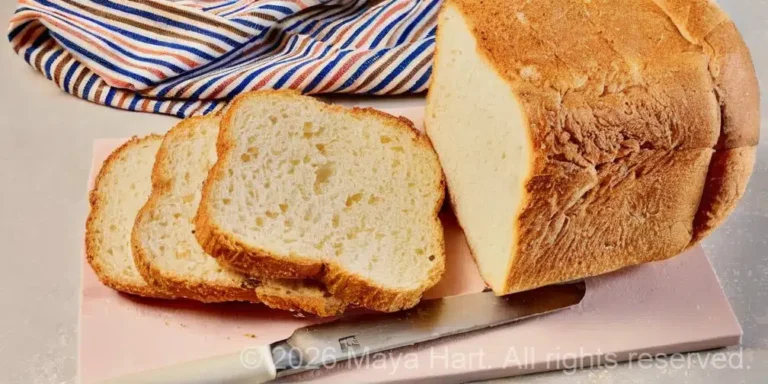
- Lunch: Chickpea salad sandwich on sprouted whole-grain bread with sliced avocado, shredded carrots, and a squeeze of lime juice. The lime helps you absorb the iron from the chickpeas.
- Afternoon Snack: A cup of plain Greek yogurt (vegetarian) or fortified soy yogurt (vegan) mixed with pumpkin seeds.
- Dinner: Baked firm tofu blocks seasoned with ginger, served over a bed of quinoa and steamed broccoli florets. Tofu baked until crisp loses any beany odor that might trigger aversions.
Day 2
- Breakfast: Tofu scramble with nutritional yeast and turmeric, served with a slice of whole-wheat sourdough toast. Nutritional yeast adds B12 and a cheesy flavor. Vegetarian option: swap in scrambled eggs.
- Mid-Morning Snack: Green smoothie with almond milk, baby spinach, frozen banana, and a scoop of plant-based protein powder. Tastes like a milkshake, hides a full serving of folate.
- Lunch: Cold quinoa salad with black beans, diced red bell peppers, cilantro, and an olive oil dressing. The bell peppers provide the vitamin C to unlock the iron in the beans.
- Afternoon Snack: Steamed edamame pods with a pinch of sea salt. Edamame is a powerhouse of plant protein, fiber, folate, and iron.
- Dinner: Sweet potato and red lentil curry cooked with coconut milk, served over brown rice. This is a one-pot, deeply comforting meal that makes enough for leftovers.
Day 3
- Breakfast: Chia seed pudding made with calcium-fortified oat milk and topped with blueberries. Vegetarian option: two scrambled eggs with a side of avocado.
- Mid-Morning Snack: A small bowl of mixed walnuts and cashews with a few raisins for a hidden iron boost.
- Lunch: Whole-wheat wrap stuffed with hummus, cucumber slices, shredded purple cabbage, and falafel. Cold, crunchy, and completely odor-neutral.
- Afternoon Snack: Carrot sticks dipped in tahini. Tahini is an excellent plant source of calcium.
- Dinner: White bean and kale soup cooked in a rich vegetable broth, served with a slice of warm whole-grain bread. Kale is a folate and calcium champion, but cooking it removes the bitterness that can trigger aversions.
Nausea Survival for Plant-Based Eaters
When you are gagging at the sight of a lentil, it can feel impossible to get enough protein and iron without meat. I have been there. These are the specific swaps that kept me afloat when my stomach rejected every whole bean and leafy green.
- Swap whole beans for smooth spreads. A pile of chickpeas might look deeply unappealing, but a smooth hummus or a blended white bean dip spreads easily on toast and vanishes before your nausea even registers it.
- Lean on soy milk and silken tofu. Soy milk has about 7 to 8 grams of protein per cup, almost identical to cow’s milk. When chewing feels impossible, sip cold soy milk or blend silken tofu into a smoothie. It disappears completely behind a banana.
- Bake your tofu until it is truly dry and crisp. Raw or lightly sautéed tofu can have a faint, beany smell that triggers aversions. A 20-minute bake at high heat dries it out and makes it virtually odorless, perfect over rice or quinoa.
- Embrace cold and bland carbs. Plain pasta with a drizzle of olive oil, cold rice with a sprinkle of salt, or dry toast are legitimate survival meals. Add a glass of fortified plant milk on the side and you have covered a surprising number of bases.
- Ginger is your friend. Sip ginger tea, add fresh grated ginger to stir-fries, or keep ginger chews in your bag. Ginger has strong clinical evidence for reducing pregnancy nausea.
Foods to Limit or Avoid on a Plant-Based Pregnancy
- Raw sprouts: Alfalfa, mung bean, and radish sprouts can harbor bacteria like salmonella. Cook them lightly instead.
- Unpasteurized juices and dairy: Stick to pasteurized products only. If you are vegan and buying cold-pressed juices, confirm they are pasteurized.
- Excess caffeine: Keep it under 200 mg per day, which is about one 12-ounce coffee. Remember tea and chocolate count too.
- Alcohol: None, in any trimester.
- Highly processed plant-based meats: An occasional vegan burger is fine, but do not let heavily processed alternatives crowd out whole food proteins.
A Quick Note on Supplements
Even the most carefully planned 1st trimester meal plan benefits from a few strategic supplements. This is not a failure. It is insurance.
- A prenatal vitamin with folic acid: At least 400 to 800 mcg daily. This covers the neural tube protection that is too important to leave to dietary chance.
- Vitamin B12: Non-negotiable for vegans. A daily B12 supplement or consistently eating B12-fortified foods multiple times a day is essential. Nutritional yeast is delicious but often inconsistently fortified, so do not rely on it as your only source.
- Vitamin D: Many pregnant people are low, especially if you have limited sun exposure. Ask your provider about testing and a supplement if needed.
- Algae-based DHA: A vegan omega-3 supplement derived from algae supports baby’s brain development without fish oil. I took one throughout both pregnancies.
A vegetarian or vegan first trimester is not about restriction. It is about loading your plate with the most nutrient-dense, colorful, and intentional foods you can tolerate on any given day. Some days that will look like a beautiful quinoa bowl with a rainbow of roasted vegetables. Other days it will be toast with hummus and a glass of soy milk. Both are valid. Both are nourishing. You are building a human, and you are doing it with plants, and I am endlessly proud of you for that.
More resources to support your plant-based pregnancy:
First Trimester Meal Plan: The Ultimate 1 to 3 Month Pregnancy Diet Chart & Eating Plan
What to Eat When Pregnant: First Trimester Nausea & Food Aversions
First Trimester Grocery List: Stock Your Kitchen for 1-3 Months Pregnant
Can You Meal Prep for the First Trimester? Snacks & Mini Meals to Have on Hand
Pregnancy Food Chart: Daily Servings & Portion Sizes for the First Trimester
Disclaimer: This information is for educational purposes and does not replace medical advice. Always consult your healthcare provider or a registered dietitian before making significant changes to your diet or supplement routine, especially during pregnancy.