 I used to stand in the salad dressing aisle squinting at ingredient labels, feeling defeated. Bottle after bottle promised “tangy” and “classic,” but the fine print told a different story, high fructose corn syrup, preservatives, and a list of things I could not pronounce. When I was pregnant with my first and later navigating gestational diabetes, those hidden sugars mattered. A salad should feel like a win, not a blood sugar gamble. So I started making my own balsamic vinaigrette dressing recipe, and I have never looked back.This homemade balsamic dressing is the one that finally broke my store‑bought habit. It is perfectly balanced, bright from the vinegar, rounded from the olive oil, with just a whisper of sweetness and a little kick of Dijon. It emulsifies into a silky dressing that clings to every leaf, and the recipe is so simple you will memorize it after the first time. I like to think of it as the best balsamic vinaigrette for real life: quick, forgiving, and made with ingredients you can trust.
What Is Balsamic Vinaigrette? (And the Difference Between Balsamic Vinegar and Balsamic Vinaigrette)
If you have wondered about the difference between balsamic vinegar and balsamic vinaigrette, you are not alone. Balsamic vinegar is the single ingredient, the dark, aged vinegar with a complex sweet‑tart flavor. Balsamic vinaigrette, on the other hand, is a dressing made by combining balsamic vinegar with oil (usually extra virgin olive oil), an emulsifier like Dijon mustard, and a touch of sweetness. So when you ask “is balsamic vinegar and balsamic vinaigrette the same thing,” the answer is no, the vinaigrette is what happens when you turn that lovely vinegar into a balanced, pourable dressing.
This distinction matters because a bottle labeled simply “balsamic vinegar salad dressing” might be a sugary, processed version. Making your own means you control exactly what goes in. You get a genuine balsamic vinegar and olive oil dressing that tastes clean and bright.
Why This Homemade Balsamic Dressing Is a HomeBumpMeals Hero
When you are growing a baby, recovering from birth, or simply trying to feed yourself between a thousand interruptions, you need a dressing that works hard and asks for almost nothing. This balsamic dressing recipe fits perfectly:
- Gestational diabetes friendly: Just one teaspoon of pure maple syrup for the entire batch. Spread across multiple salads, the sugar per serving is tiny. Paired with fiber and protein from your salad, blood sugar impact is minimal. This is a healthy balsamic vinaigrette recipe you can feel good about.
- No raw eggs, no additives: So many creamy dressings use raw egg yolks or stabilizers. This one is simply olive oil, balsamic vinegar, Dijon mustard, a touch of maple syrup, salt, and pepper. Pure ingredients.
- Anti‑inflammatory fats: Extra virgin olive oil is packed with monounsaturated fats that support heart health and can help reduce inflammation, a real bonus during pregnancy and postpartum.
- Good for sluggish digestion: The acidity of the vinegar can gently aid digestion, a real blessing when pregnancy slows everything down.
- Ready in under 5 minutes: Shake it in a jar and you are done. No blender needed, though you can use one if you prefer a thicker emulsion.
- Stays fresh for weeks: The high acidity keeps this homemade balsamic dressing fresh in the fridge. Just give it a shake before using if separation occurs.
How to Make Balsamic Vinegar Dressing: The 5‑Minute, 6‑Ingredient Recipe
Once you learn how to make balsamic vinegar dressing from scratch, you will feel like a kitchen rock star on minimal effort. Here is all you need:
- 4 tablespoons extra‑virgin olive oil
- 2 tablespoons balsamic vinegar
- 1 teaspoon Dijon mustard
- 1 teaspoon pure maple syrup (or honey, if not strictly GD‑friendly)
- Pinch of fine sea salt
- Pinch of freshly ground black pepper
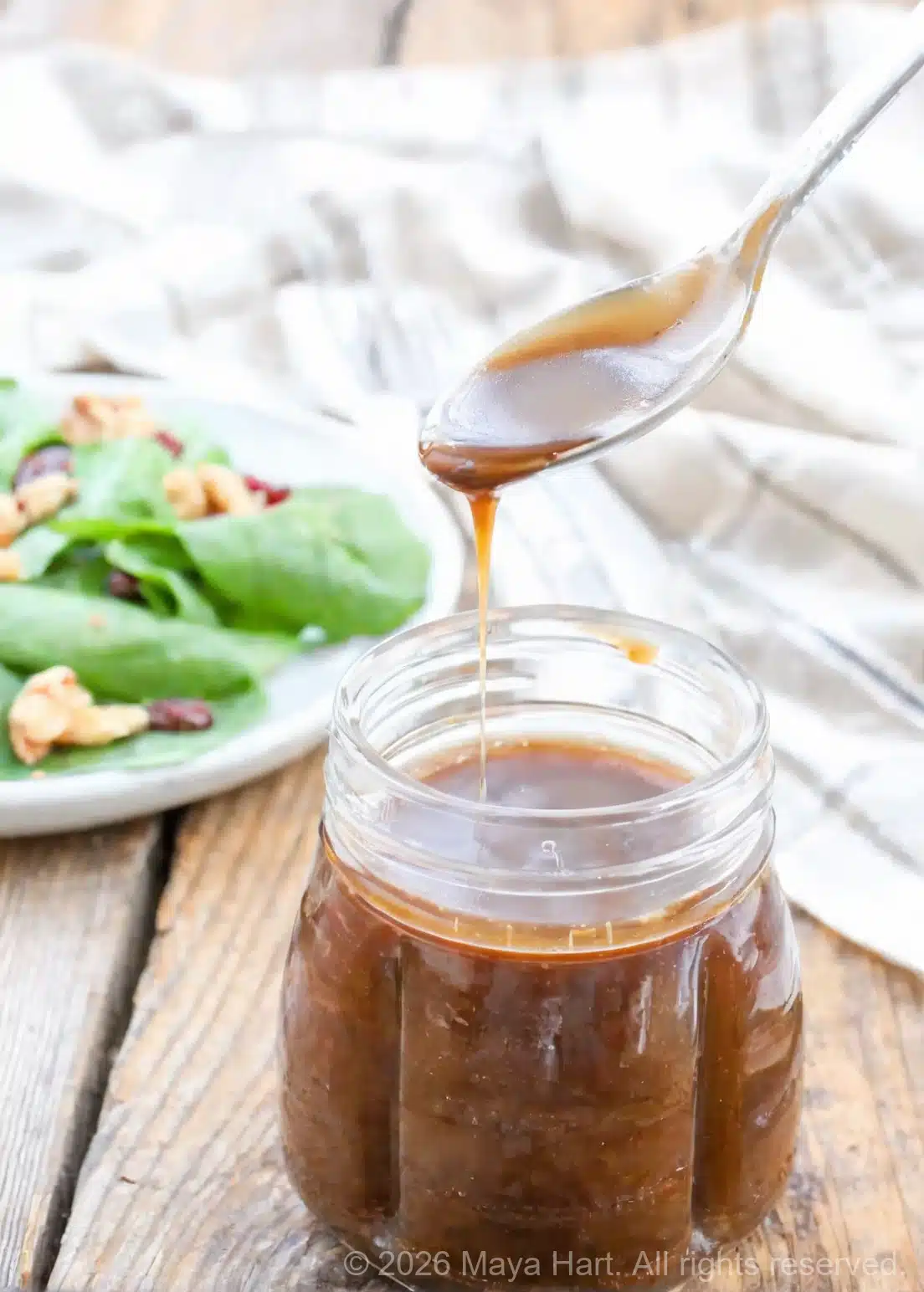
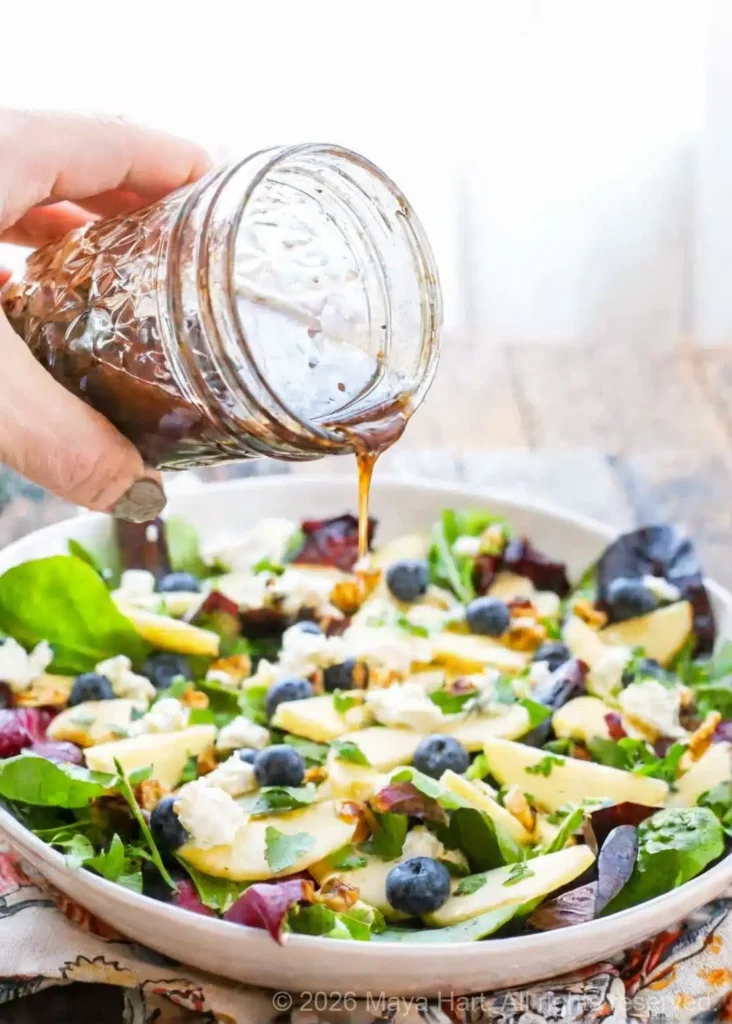
Place all ingredients in a small jar with a tight‑fitting lid. Shake vigorously until the dressing becomes one smooth, emulsified liquid. Taste and adjust salt or vinegar if needed. That is it, an easy balsamic dressing that takes less time than finding a bottle in the grocery aisle.
I prefer the hand‑shaken consistency, which stays light and slightly fluid. If you want an extra‑thick, almost creamy balsamic vinaigrette, blend it in a small food processor or with an immersion blender. Both ways are delicious.
Ways to Use This Balsamic Vinaigrette Dressing
This balsamic vinegar salad dressing is astoundingly versatile. I keep a jar in the fridge and reach for it constantly.
- Classic green salads: Toss with mixed greens, romaine, spinach, or arugula. It especially sings on salads that include fruit, because the balsamic loves a little sweetness.
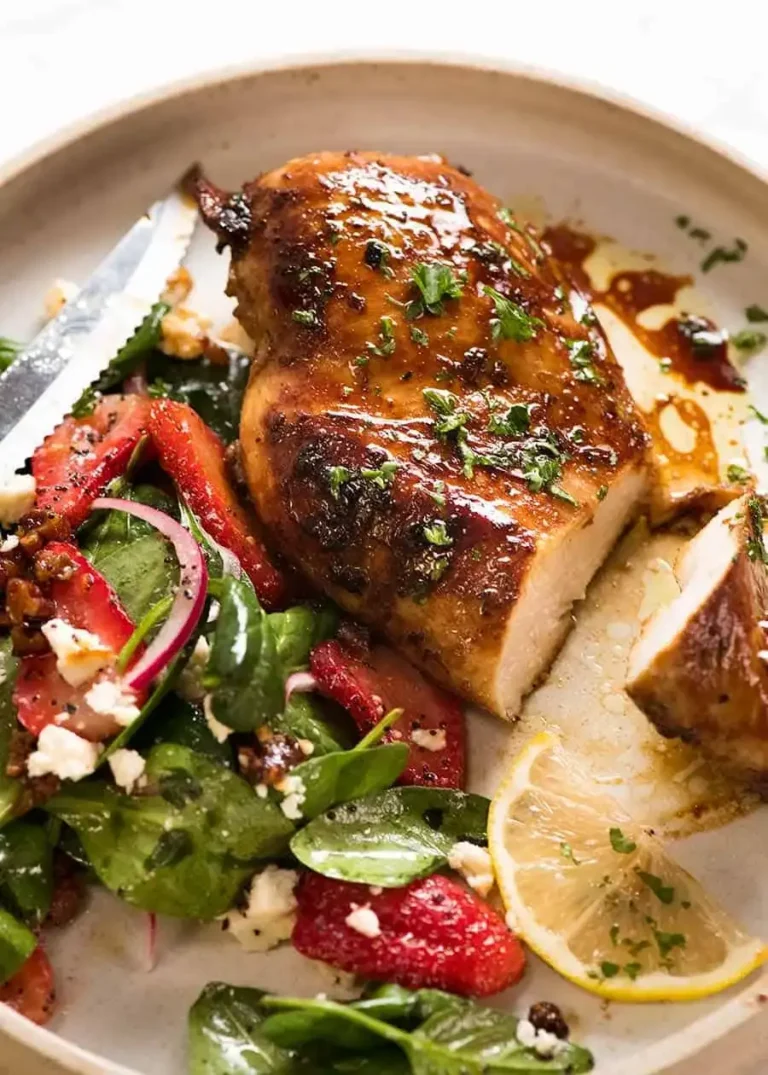
- Strawberry spinach salad: Baby spinach, sliced strawberries, crumbled feta or goat cheese, and a generous drizzle of this balsamic dressing for salad. Perfection.
- Cucumber tomato salad: A fresh summer mix that becomes a meal with chickpeas or grilled chicken.
- Apple walnut chicken salad: Sliced apples, toasted walnuts, shredded chicken, and this dressing. The best lunch.
- Roasted vegetables: Drizzle over warm roasted carrots, Brussels sprouts, or asparagus to add brightness.
- Wraps and sandwiches: Use it as a spread or drizzle inside a chicken wrap, turkey sandwich, or veggie hummus wrap.
- Pasta salad: Toss with cold pasta, cherry tomatoes, olives, and diced mozzarella for a quick summer meal.
Make It a Light Balsamic Vinaigrette or Play with Variations
This recipe is a canvas. Over the years I have tweaked it to suit different moods, seasons, and nutritional needs.
- Light balsamic vinaigrette: For a lower‑calorie version, reduce the olive oil to 3 tablespoons and add a tablespoon of water. It will be slightly thinner but still bright and tangy. This is a nice light balsamic dressing when you want something airy.
- White balsamic version: Use white balsamic vinegar and a lighter olive oil. This dressing looks beautiful on herb and citrus salads where you do not want the dark color.
- Garlic lover’s: Add one finely minced or grated garlic clove. Shake it in the jar. This infusion makes it robust and satisfying.
- Balsamic glaze vinaigrette: If you have a bottle of balsamic glaze, you can whisk a teaspoon into the dressing for extra body and a touch more sweetness. Reduce the maple syrup slightly.
- Herb‑infused: Stir in a tablespoon of finely chopped fresh basil, oregano, or thyme. It instantly feels fancy.
- Low‑fat balsamic dressing: Replace half the olive oil with a mild vegetable broth or simply reduce oil further and increase the vinegar slightly. The flavor stays vibrant.
- Honey balsamic vinaigrette: Swap the maple syrup for honey if you are not strictly managing blood sugar. The honey version is floral and lovely.
Storing Your Homemade Balsamic Dressing
Because vinegar‑based salad dressings like this balsamic vinegar dressing recipe have high acidity, they keep for a good long while in the refrigerator. Pour the finished dressing into a clean mason jar or a reused glass bottle. Store it tightly sealed. It will stay fresh for several weeks. The oil and vinegar may separate during storage, that is completely normal. Just give the jar a vigorous shake before each use, and the dressing will come back together.
Maya’s Mom Confession: The Dressing That Made Salads a Daily Ritual
During my first pregnancy, I overthought every meal. With gestational diabetes, even a salad felt like a math problem. I was terrified of hidden sugars. When I whisked together this simple balsamic vinaigrette for the first time, it felt like reclaiming a little bit of control. Olive oil, balsamic vinegar, mustard, a drop of maple syrup, salt, pepper. I knew exactly what was in it. I could trust it. That small jar became a daily ritual, shake, pour, eat. It made me feel like I was doing something good for my body and my baby without an ounce of punishment.
Now, years later, this balsamic dressing for salad is still a weekly staple. My toddler helps me shake the jar. I pour it over greens for friends who just had babies. I drizzle it over roasted vegetables I eat cold from the fridge while nursing. It is proof that nourishing yourself does not have to be complicated. The best balsamic vinaigrette is the one you actually make, and this one is as easy as it gets.
A Note from Our Consulting Dietitian
Our registered dietitian gave this balsamic vinegar salad dressing recipe a hearty approval. The monounsaturated fats in olive oil support heart health and help absorb fat‑soluble vitamins from salad vegetables. The tiny amount of maple syrup, when paired with fiber and protein from a balanced salad, results in a negligible blood sugar impact. For mamas with gestational diabetes, she recommends sticking to the 1‑teaspoon measurement and always pairing the dressing with a salad that includes protein (like chickpeas, chicken, or hard‑boiled eggs) and plenty of fiber. No raw eggs, no dairy, this dressing is a safe, healthy salad dressing for pregnancy and beyond.
Ready to make your own? The full recipe card, with exact measurements, step‑by‑step instructions, and storage tips, is right below this post. Grab a jar and shake up something delicious.