Chicken Salad During Pregnancy: The Real Mom’s Comprehensive Safety & Recipe Guide
Picture this: It’s 3 PM, you’re running on three hours of broken sleep, your feet look like uncured hams, and your stomach is doing that weird, hollow pregnancy rumble. You want something cold, crunchy, and packed with protein. You absolutely do not want to stand over a hot stove or wash a sink full of dishes. You just want a scoop of chicken salad on a cracker and five minutes of peace.
But then your pregnancy brain kicks in. Wait. Can I eat chicken salad while pregnant? What about the mayo? What about the deli counter? Is that grape washed?
If you’re currently staring at a plastic tub from the grocery store deli, slowly back away. But before you spiral into a doom-scrolling WebMD rabbit hole, let’s break down the actual facts about eating chicken salad pregnant. We are going to cover the science, the safety rules, and how to actually make it without spending your whole afternoon in the kitchen.
The Short Answer (TL;DR): Yes, you can eat chicken salad during pregnancy, but only if it is freshly homemade or a commercially sealed, factory-packaged tub. You should strictly avoid pre-made deli, bakery, or salad bar chicken salads due to the risk of Listeria. Ensure your chicken is fully cooked, and don’t worry, the commercial mayonnaise in your fridge door is perfectly safe!
Why Chicken Salad Gets a Bad Rap (The Science of Listeria)
When I was pregnant with my oldest, my doctor, Elena, handed me a vague “do not eat” list that included deli salads. Nobody explained why, which just made me anxious and cranky. Here is the reality: the primary concern with chicken salad isn’t actually the chicken or the mayo. It’s a sneaky, cold-loving bacteria called Listeria monocytogenes.
While most common foodborne bugs (like Salmonella) slow down or stop multiplying when refrigerated, Listeria is a cold-tolerant anomaly. It happily survives and keeps growing right there in your standard 40°F fridge.
Because pregnancy naturally alters your immune system to protect your developing baby from being rejected by your body, you are roughly 10 times more likely to contract a Listeria infection than the average adult. While you might only feel like you have a mild summer flu, the bacteria can cross the placenta, presenting serious risks to the baby, including premature labor or severe illness. This is exactly why the CDC and Mayo Clinic consistently put premade deli salads on the “avoid” list.
Where Did Your Chicken Salad Come From? (The Risk Breakdown)
Because you cannot see, smell, or taste Listeria, safety comes down to controlling the environment where the food was handled. Here is how I grade the chicken salad sources when I’m meal planning for the week:
| Source of Chicken Salad | Risk Level | Maya’s Verdict |
|---|---|---|
| Homemade (Freshly cooked & chilled) | Low Risk | Safe. You control the cooking temp, the clean utensils, and the fridge. |
| Sealed Retail Tub (Commercial brands) | Moderate Risk | Proceed with Caution. Safe only if consumed immediately after opening, well within the expiration date, and kept consistently cold. |
| Deli Counters (Scooped to order) | High Risk | Avoid. Cross-contamination from shared scoops and long exposure times in display cases are a gamble I won’t take. |
| Buffets & Salad Bars | High Risk | Hard Pass. Unclear temperature regulations and shared serving spoons introduce way too many variables. |
| Restaurant “House” Salads | Moderate/High Risk | Avoid. Unless you can watch them make it from scratch right in front of you, you don’t know how long the base mix has been sitting in their walk-in fridge. |
Let’s Bust the Mayonnaise Myth Right Now
I get asked this in my DMs constantly: “Maya, is the mayo going to give me Salmonella?”
Take a deep breath. Commercial, store-bought mayonnaise (like Hellmann’s, Duke’s, or whatever generic brand is sitting in your apartment fridge) is made with pasteurized eggs. The pasteurization process uses heat to kill off any risk of Salmonella. It is perfectly safe for pregnant women.
The danger only comes from homemade mayonnaise or fancy restaurant “house aiolis” made with raw, unpasteurized eggs. Unless you are churning your own artisanal mayo from scratch (please don’t, you have better things to do), your store-bought mayo is totally fine. The real issue with mayo is temperature, don’t leave your mayo-based chicken salad out on the counter for hours while you watch Netflix.
What About the Mix-Ins? (Ingredient Safety Check)
It’s not just the meat and mayo you need to think about. When my consulting Registered Dietitian, Elena, and I were building out the nutrition guidelines for this site, we looked closely at the add-ins. Here is the safety rundown on the classics:
- Grapes & Berries: Yes, but wash them thoroughly. Soil can carry Toxoplasma gondii, a parasite that is dangerous during pregnancy. Rinse them under cold running water, even if the bag says “pre-washed.”
- Celery & Onions: Same rule. Wash them well before chopping to remove any surface dirt or bacteria.
- Nuts (Walnuts, Almonds, Pecans): Completely safe and highly recommended! They add a great crunch and are packed with Omega-3s and healthy fats for the baby’s brain development.
- Apples: Wash the skin thoroughly. If you are in your third trimester and heartburn is kicking in, you might want to peel them, as the skin can sometimes trigger acid reflux.
3 Safe, 10-Minute Chicken Salad Recipes (No Cooking Required)
If you want to enjoy chicken salad without a shred of anxiety, making it yourself is the gold standard. But who has time to boil and shred chicken breasts? Not this mom. Here are my three go-to, RD-approved variations using store-bought rotisserie chicken.
Pro-Tip: Buy a grocery store rotisserie chicken, pull the meat off while it’s warm (it shreds so much easier!), and store the shredded meat in the fridge. When you want chicken salad, just grab a handful and mix!
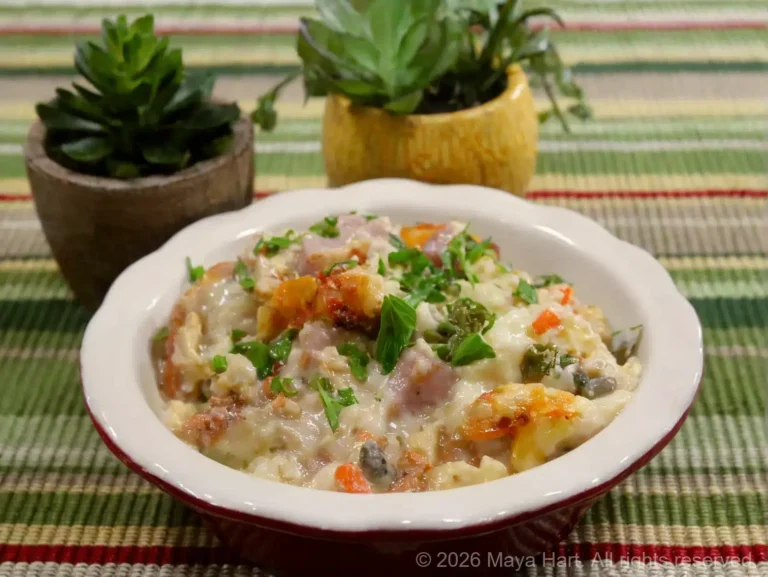
1. The “I Have 10 Minutes” Classic
This is the nostalgic, crunchy, slightly sweet chicken salad you remember from childhood picnics, but made safely.
- 1.5 cups shredded cold rotisserie chicken (white and dark meat)
- 1/4 cup pasteurized mayonnaise
- 1 stalk celery, finely diced
- 1/4 cup red grapes, halved and washed
- 1 tbsp fresh dill or parsley
- Salt, pepper, and a squeeze of lemon juice
2. The GD-Saver Curry Chicken Salad (High Protein, Low Carb)
When I was diagnosed with gestational diabetes at 28 weeks, I needed lunches that wouldn’t spike my blood sugar. This curry version uses Greek yogurt to cut the heavy mayo and pack in extra protein to keep you full.
- 1.5 cups shredded cold rotisserie chicken
- 1/4 cup plain, whole-milk Greek yogurt (pasteurized)
- 1 tbsp pasteurized mayonnaise (just for texture)
- 1 tsp mild curry powder
- 1/4 cup diced apples (washed and peeled if heartburn is an issue)
- 2 tbsp sliced almonds or chopped walnuts
3. The Spicy Buffalo Chicken Salad Dip
Sometimes you just want junk food. This hits the spicy, creamy craving while remaining totally pregnancy-safe and high in protein.
- 1.5 cups shredded cold rotisserie chicken
- 1/4 cup plain Greek yogurt
- 2 tbsp pasteurized mayonnaise
- 2 tbsp Frank’s RedHot (or your favorite pasteurized hot sauce)
- 1 stalk celery, finely diced
- Serve with celery sticks, bell pepper strips, or whole-grain crackers.
Meal Prep & Fridge Storage Rules for Pregnant Moms
Making a big batch on Sunday to eat for lunch all week is a great survival tactic, but you have to follow strict storage rules to keep Listeria at bay.
- The 2-Hour Rule: Never let your cooked chicken or assembled salad sit out on the counter to cool down. Get it into the fridge within 2 hours of making it (or 1 hour if your kitchen is hotter than 90°F).
- Ditch the Fridge Door: Do not store your chicken salad in the door bins of your refrigerator. The door is the warmest part of the fridge and experiences temperature fluctuations every time you open it. Store it in an airtight container at the very back of the bottom shelf, which is the coldest, most stable spot.
- The 3-Day Limit: While standard FDA guidelines allow leftovers to sit for up to 4 days, my RD Elena recommends a tighter 48-to-72-hour window during pregnancy to minimize any potential bacterial reproduction. If it’s day 4, toss it and make a fresh batch.
The “Oops” Protocol: I Already Ate the Deli Stuff. Now What?
First, do not panic. Put down the phone. Stop Googling “accidentally ate deli chicken salad while pregnant.”
While the guidelines recommend avoiding deli salads to minimize risk, the absolute probability of any single serving containing harmful levels of Listeria remains incredibly low. The recommendations are about reducing statistical risk across millions of pregnancies, not guaranteeing that you, specifically, will get sick from that one scoop you ate at a baby shower.
Forgive yourself, drink a glass of water, and just monitor how you feel. Listeria has a notoriously long incubation period (sometimes up to 30 days), so just keep an eye out for unusual symptoms like a sudden fever, chills, severe muscle aches, or stomach distress. If you feel fine, you are fine. If you do develop a fever, call your OB/GYN or midwife and let them know what you ate.
Pregnancy is stressful enough without adding food guilt to the mix. You’re doing a great job. Now go eat your safe, homemade chicken salad in peace.
Disclaimer: While I’ve lived through the trenches of high-risk pregnancies and kitchen fatigue, I’m a mom and a recipe developer, not a doctor. Every recipe and nutritional guideline on HomeBumpMeals.com is reviewed by my consulting Registered Dietitian (RD), Elena, to ensure it’s actually good for you and the baby. Always consult your own OB/GYN or midwife about your specific dietary needs, and check out the CDC’s official guidelines on Listeria and pregnancy for the hard medical data.