20 Easy Meals for New Parents: One-Handed & Freezer-Friendly Ideas
Let me tell you about the night I realized my cooking standards had officially hit rock bottom.
It was three weeks postpartum with my first. I was standing in the kitchen at 9 PM, having not eaten since a granola bar at 7 AM, holding my crying baby in one arm, and staring into the fridge like it was a foreign object. Inside, there was half a jar of pickles, a block of cheddar cheese with mysterious corners, and a carton of eggs I was pretty sure had expired. I briefly considered just eating the cheese straight from the block. I won’t tell you whether I did or didn’t.
Here’s the thing about the fourth trimester: nobody prepares you for how hard it is to feed yourself.
Between constant feedings, interrupted sleep, and the physical demands of recovery, cooking ends up at the very bottom of the priority list. Yet somehow, life keeps moving. The laundry piles up. The house gets messy. And everyone still needs to eat.
In the haze of those early weeks, mealtime is about one thing: survival. But survival doesn’t have to mean living off cereal and delivery pizza. With a focus on nutrient-dense, healing foods that require minimal active cooking, you can nourish your body while giving all your energy to your new baby.
This guide is the one I wish someone had handed me before my first was born. It’s everything I’ve learned about feeding yourself when you’re too exhausted to think, too busy to cook, and too hungry to care about presentation.
The 30-Second TL;DR (Because You’re Already Exhausted)
- One-handed eating is your new superpower. Muffins, burritos, wraps, and frittata slices are your best friends.
- Freeze everything you can before the baby arrives. Aim for 30 weeks. Future you will weep with gratitude.
- 20 minutes or less is the sweet spot. Sheet-pan meals, one-pot wonders, and rotisserie chicken are lifesavers.
- Nutrient-dense doesn’t have to mean complicated. Eggs, oats, salmon, lentils, and leafy greens are easy and healing.
- Self-compassion is the most important ingredient. If dinner is a bowl of cereal, that’s a win. You’re surviving.
The Philosophy of “Easy” Postpartum Meals
Before we get to the recipes, let’s talk about what actually makes a meal “new parent friendly.” Not every simple recipe qualifies. The ideal dishes share a set of non-negotiable traits that honor the reality of life with a newborn.
1. Ready in 20 Minutes (or Less) of Active Time
Time is the scarcest resource. If a recipe requires you to chop vegetables for 45 minutes, it’s not postpartum-friendly. The goal is to spend as little time on your feet as possible. Look for meals where the oven, slow cooker, or stovetop does the heavy lifting while you tend to the baby, or just sit down.
2. Forgiving Timelines
You need meals that can wait for you. A dish that must be pulled from the oven at the exact moment the timer beeps is a recipe for burned dinner. The best postpartum meals can sit on the stove on low, stay warm in the oven without drying out, or be reheated in the microwave without losing their appeal. If the baby suddenly needs you for an hour, dinner should survive the delay.
3. Minimal Cleanup
One-pot, one-pan, and sheet-pan meals are king. The last thing you want at 8 PM is a sink full of complicated dishes. Embrace recipes that use a single vessel, and consider using disposable liners or parchment paper to make cleanup even faster.
4. Nutrient-Dense
Your body is recovering from childbirth and potentially producing breast milk. You need iron-rich proteins to replenish blood loss, healthy fats for tissue repair and brain health, and complex carbohydrates for sustained energy. Easy doesn’t mean nutritionally empty, a well-designed simple meal can be profoundly healing.
5. Eat-with-One-Hand Possible
The other hand will be holding, feeding, or soothing a baby. Foods that can be eaten with a fork from a bowl, wrapped in a tortilla, or simply grabbed from the fridge are your best friends.
The Mental Load Factor: Perhaps the most underappreciated aspect of feeding new parents is the mental load. It’s not just about the physical act of cooking, it’s about planning, shopping, prepping, and deciding. As dietitian Brittany Brown explains, “Nutrition easily slides to the back burner even though it directly affects your healing, mood and even milk supply.” The best easy meals eliminate decision fatigue. They’re ready to go, require no thought, and provide the sustenance that healing bodies desperately need.
Part I: One-Handed Eating, Your New Superpower
New parents quickly discover that eating is no longer a two-handed activity. Whether nursing, bottle-feeding, or simply holding a fussy baby, one hand is almost always occupied. As one guide notes, “Eating one-handed is your new superpower.”
But it doesn’t have to mean low nutrition or boring flavor. With the right recipes, you can eat well while keeping a baby close.
Savory Muffins: The Ultimate Grab-and-Go Meal
Savory muffins have emerged as a superstar of one-handed eating. They are nutritious, endlessly customizable, and can be eaten while pacing the hallway with a newborn. Popular varieties include veggie muffins packed with broccoli, carrots, and protein; pizza muffins with hidden vegetables; and mini egg muffins with cheese and veggies that deliver protein and vitamins in every bite. Spinach and bacon egg muffins bring iron and satisfying flavor. These muffins freeze and thaw well, so you can bake a big batch and pull one out whenever hunger strikes.
Hand Pies and Wraps
Hand pies are “platonically perfect” for new parents. They’re easy to make, freeze beautifully, reheat well, and can be eaten with one hand. Fill them with whatever you like: lentils, roasted vegetables and goat cheese, seasoned ground meat, or beans. The same goes for wraps and burritos. Almost any meal can be turned into a one-handed format if you stuff it in a tortilla. Scrambled eggs, chicken salad, leftover stir-fry, all fair game.
Breakfast burritos deserve special mention. Scramble eggs with cheese, bacon or sausage, and hashbrowns, wrap them individually in foil, and freeze. They reheat in 90 seconds and can be eaten with one hand. As one new mom recalled, having her freezer stocked with breakfast burritos was “a literal lifesaver.” “Sometimes, love looks like breakfast you can eat with one hand.”
Frittata Slices and Egg Bakes
A frittata is essentially a crustless quiche. Bake eggs, milk, spinach, and cheese in a skillet, then slice it into wedges like a pizza. It tastes fantastic straight from the fridge, eaten cold while you hold a baby in your other arm. You can also bake egg and veggie muffins in a muffin tin for individually portioned, protein-packed meals that are ready in under 20 minutes.
No-Bake Energy Bites and Snacks
Between-meal nourishment is just as critical. No-bake lactation bites made with oats, peanut or almond butter, flaxseed, and mini chocolate chips can be whipped up during a contact nap, rolled into balls, and stored in the fridge. They provide sustained energy and the oats and flax may support milk supply. Other brilliant one-handed snacks include hard-boiled eggs, DIY trail mix, apple pie oat bars, fruit-and-veggie dippers, and power smoothies, the ultimate liquid meal that you can sip with one hand while nursing.
For more one-handed meal ideas specifically designed for postpartum recovery, check out my guide on easy new mom meals.
Part II: Freezer-Friendly Batch Cooking, The Before-Baby Gift to Yourself
The best time to cook for your postpartum self is before the baby arrives. Taking a weekend during the third trimester to batch-cook freezer-friendly meals is an incredible act of self-care.
The 30-Week Sweet Spot
If you’re expecting, aim to start your freezer meal prep around 30 weeks. At that point, you’re far enough along to feel the urgency but often still have the stamina for a big kitchen project. As dietitian Brittany Brown explains, “Prepping around 30 weeks strikes the perfect balance. You’ll likely have the energy to cook, and you’ll thank yourself later when those early, sleepless weeks hit and you already have meals to go.”
Batch Cooking Strategies
Batch cooking is one of the simplest, most effective ways to prepare for feeding yourself and your family once a new baby arrives. By doubling recipes, you save not only cooking time but also the mental and physical energy it takes to plan, prep, and clean up.
Effective batch cooking tactics include:
- Setting up an assembly line in your kitchen
- Grouping similar ingredients together (chop all onions at once, cook multiple grains)
- Cooking once, eating again, and again
- Batch-cooking staple ingredients like rice, quinoa, and beans for future meals
What Freezes Well
| Category | Examples | Why It Works |
|---|---|---|
| Soups and Stews | Lentil soup, chicken noodle, beef stew, minestrone | Freeze flat in gallon bags; stack like books; thaw under warm water. |
| Casseroles and Baked Dishes | White chicken enchilada casserole, spinach mushroom feta quiche | Assemble in foil pans; freeze and bake directly from frozen. |
| Burritos and Wraps | Breakfast burritos, ground beef and rice burritos | Wrap individually in foil; microwave 90 seconds from frozen. |
| Marinated Meat Packs | Chicken breasts, pork chops in marinade | Freeze in bags; thaw overnight; dump on sheet pan or slow cooker. |
| Pre-Cooked Grains | Brown rice, quinoa | Portion and freeze; microwave instantly for meal bases. |
Freezer Prep Hacks
- Label everything with the dish name, date, and reheating instructions.
- Freeze flat in bags to save space.
- Store for up to 3 months for best quality.
- Thaw overnight in the fridge for easiest reheating.
My personal freezer staples: I always have at least three types of soup, a batch of breakfast burritos, and a container of pre-cooked quinoa in my freezer. It’s my safety net for days when I can’t even.
If you’re looking for more freezer-friendly meal ideas to prep before baby arrives, I’ve got a full list of freezer-friendly meals for new parents that covers breakfast, lunch, and dinner.
Part III: Quick Meals in 20 Minutes or Less
Even with a well-stocked freezer, some days reheating a meal feels like too much effort. On those days, having a repertoire of 20-minute meals that rely heavily on pantry shortcuts is essential. These recipes are designed for real life, when you might be cooking with one hand while holding your baby in the other.
The Set-It-and-Forget-It Sheet Pan
Sheet-pan meals require simply tossing ingredients in olive oil and roasting them together. If you get delayed, you can usually just turn the oven down to “keep warm.”
| Meal | Instructions | Time |
|---|---|---|
| Sausage, Peppers, and Onions | Slice pre-cooked chicken or pork sausage, toss with bell peppers and onions, roast at 400°F. Serve with microwave rice or in a sub roll. | 20 min |
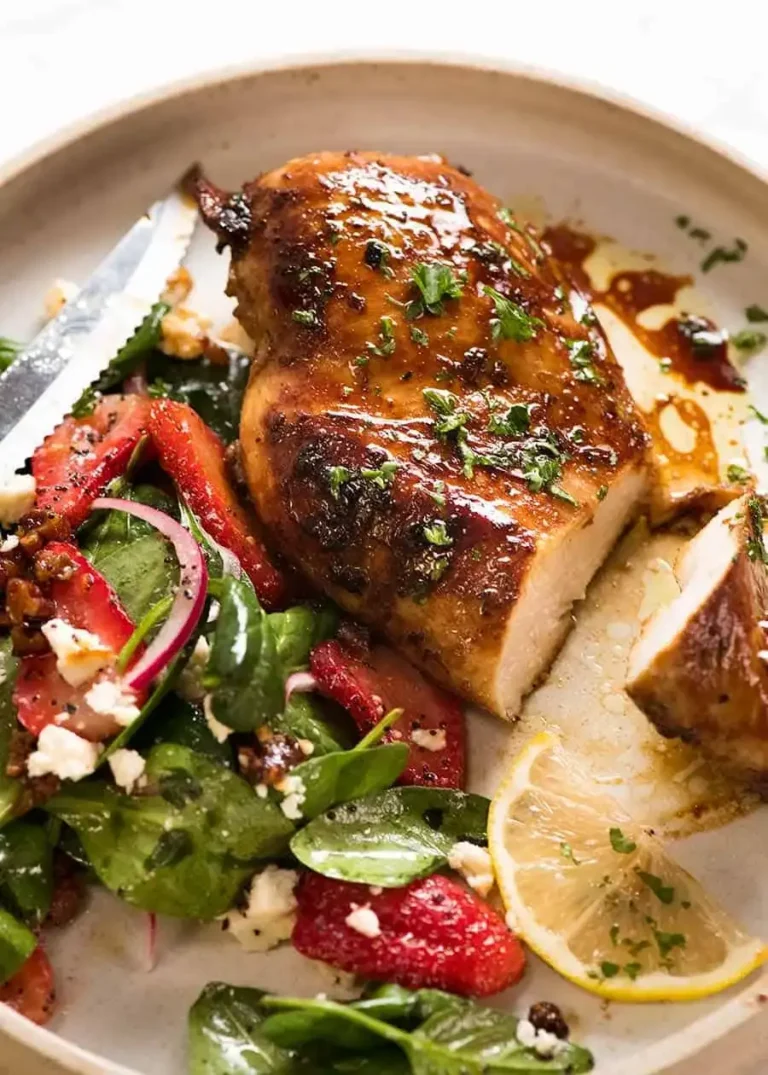
| Salmon and Asparagus | Salmon is packed with DHA (crucial for brain development and maternal mental health) and bakes in just 12–15 minutes alongside asparagus or green beans. | 15 min |
| Gnocchi and Cherry Tomatoes | Roast shelf-stable gnocchi with cherry tomatoes and garlic. As the tomatoes burst, they create a natural sauce. | 20 min |
| Simple Chicken and Veggie Tray Bake | Arrange chicken breasts or thighs with seasonal vegetables (carrots, bell peppers, broccoli, zucchini), drizzle with olive oil and herbs, roast at 400°F. | 25 min |
One-Pot Wonders
One-pot meals deliver maximum flavor with minimal washing up.
- One-Pot Lentil Soup: Sauté onion, carrots, and celery, add garlic and spices, then stir in lentils, broth, and diced tomatoes. Simmer for 25–30 minutes until tender. It’s comforting, filling, and rich in protein and fiber. Freeze individual portions for even easier future meals.
- One-Pot Pasta: Simple tomato-based pasta or creamy pasta with vegetables can be on the table in under 20 minutes. Throw in a mix of fresh or frozen vegetables to make it colorful and nourishing.
- Quick Chicken Tortilla Soup: This flavor-packed soup is nearly impossible to mess up. With three easy steps and minimal simmering time, it’s ready in twenty minutes. Top with tortilla chips, shredded cheese, and sour cream.
The Rotisserie Chicken Lifesaver
A hot rotisserie chicken is the ultimate shortcut. Shred it immediately when you get home, and you’ve got the foundation for multiple meals:
- Chicken salad served with rolls
- Chicken tortilla soup
- Marry Me chicken soup with orzo and spinach
- Quesadillas or chicken warmed in salsa for tostadas
- Tossed into boxed mac and cheese for an instant protein boost
Other Pantry Speed Meals
- Canned Bean Bowls: Rinse a can of black beans, heat with salsa, and serve over instant microwave rice topped with a spoonful of Greek yogurt or avocado.
- Upgraded Ramen or Broth: Bring a good-quality boxed broth or instant ramen to a boil, drop in a handful of frozen spinach and two beaten eggs for an instant egg-drop soup that takes 5 minutes.
- Quick Stir-Fry: Use whatever vegetables you have, fresh or frozen, and a protein of choice. Ready in under 20 minutes.
Time-Saving Kitchen Gadgets
Certain tools dramatically speed up cooking:
- Slow cooker/Crockpot: Dump ingredients in the morning, come back to a cooked meal.
- Air fryer: Cooks faster than conventional ovens.
- High-speed blender: For smoothies and blended soups in minutes.
- Non-stick pans and roasting trays: Easier cleanup.
For more dinner-specific ideas that require minimal effort, check out my guide on one-dish dinners for new parents.
Part IV: Nutrient-Dense Foods for Postpartum Recovery
Easy meals must also be healing meals. The postpartum body has significant nutritional demands: protein for tissue repair, iron to replenish blood loss, healthy fats, particularly omega-3s, for brain health and mood support, and whole grains for sustained energy.
Key Healing Foods
| Food | Why It Helps | Easy Ways to Eat It |
|---|---|---|
| Eggs | Quality protein and essential amino acids for wound healing and tissue repair. | Scrambled, hard-boiled, in frittatas, or breakfast burritos. |
| Oats | Lactation superfood; rich in iron and fiber. | Oatmeal with flaxseeds and berries; baked oatmeal cups; no-bake energy bites. |
| Salmon and Fatty Fish | Loaded with DHA and omega-3s for brain health and mood support. | Sheet-pan with asparagus; canned salmon in salads or patties. |
| Lentils and Legumes | Packed with protein and iron. | Soups, stews, salads, or grain bowls. |
| Leafy Greens | Iron and anti-inflammatory benefits. | Add spinach to eggs, soups, smoothies, or casseroles. |
| Bone Broth | Supports gut health and hydration. | Sip warm, use as soup base, or add to grains. |
Meal Ideas for Optimal Recovery
- Oatmeal with flaxseeds and berries , A perfect recovery breakfast
- Lentil and vegetable soup , Freezer-friendly and packed with protein
- Salmon with quinoa and steamed greens , Complete meal in 20 minutes
- Khichdi , A traditional Indian dish of rice and lentils cooked with mild spices, known for its gentle nature, easy digestibility, and nutritional richness
- Veggie-heavy casseroles and soups , Easy to freeze and reheat
Hydration Matters
Hydration is critical for postpartum recovery, especially for breastfeeding parents. Encourage plenty of water, and consider hydrating foods like soups, smoothies, coconut water, and fresh fruit. Liquid meals like protein smoothies (frozen fruit, spinach, protein powder, peanut butter) provide hydration and dense calories in under three minutes.
RD Reality Check (Elena’s Corner)
As always, I run these posts by my consultant, Registered Dietitian Elena. Here’s what she wants you to know about easy postpartum meals:
“The postpartum body is in a unique state of healing. You’ve just done the most physically demanding thing a human body can do, and your nutritional needs are higher than they were during pregnancy. But here’s the reality: you’re also more exhausted than you’ve ever been. So the goal isn’t perfection, it’s consistency. A simple egg and spinach scramble is a win. A bowl of lentil soup is a win. Even a protein smoothie counts. Focus on getting protein, iron, healthy fats, and hydration into your body by any means necessary. And if that means eating cold frittata slices while holding a baby at 2 AM? That counts too.”
So if you’re reading this from the couch, nursing a baby and wondering if you have the energy to even heat up leftovers, take a breath. You’re doing enough. And any meal you manage to eat is a victory.
The Bottom Line
The early weeks of parenthood are a blur of feedings, diapers, and sleep deprivation. In that haze, the simple act of eating can feel like an insurmountable challenge. But with the right strategies, freezer-friendly batch cooking, one-handed snacks, 20-minute meals, and nutrient-dense ingredients, you can nourish yourself without adding to your already overwhelming load.
The most important ingredient in any postpartum meal plan is self-compassion.
The goal is to stay fueled and hydrated, not to win a culinary award. Lean heavily on shortcuts, accept frozen vegetables as nutritional equals to fresh ones, and remember that an easy, low-stress meal is always the healthiest choice for a new parent in survival mode.
Whether you’re preparing for your own baby or feeding a friend, the philosophy is the same: show up with food that asks nothing of the recipient, no complicated steps, no pile of dishes, no stress.
As one new mom reflected, having her freezer stocked with homemade breakfast burritos was “one of the most thoughtful gifts” she received. Because sometimes, love looks like breakfast you can eat with one hand. And sometimes, it looks like a freezer full of soups, casseroles, and burritos, ready to warm up in minutes, nourishing both body and spirit during the beautiful, exhausting chaos of new parenthood.
P.S. If you’re looking for more specific meal ideas, check out my complete guide to bringing meals to new parents for logistics, meal train tips, and 15 foolproof dishes that travel beautifully.
And if you’re the new parent reading this? Take a screenshot of the one-handed eating section and send it to your village. You deserve to be fed.